How To Overcome Pelvic Joint Dysfunction And Relieve Pain
Pelvic joint dysfunction is a common but often overlooked cause of low back, hip, and pelvic pain. When the joints that connect the pelvis to the spine stop moving properly or become irritated, even simple activities like walking, sitting, standing, or rolling in bed can become uncomfortable.
At Cole Pain Therapy Group, we help patients throughout Memphis, Bartlett, Germantown, Collierville, and surrounding areas identify the true source of pelvic pain and restore healthy movement through conservative, hands-on care. Our goal is not just short-term relief, but long-term improvement in comfort, stability, and confidence with daily movement.
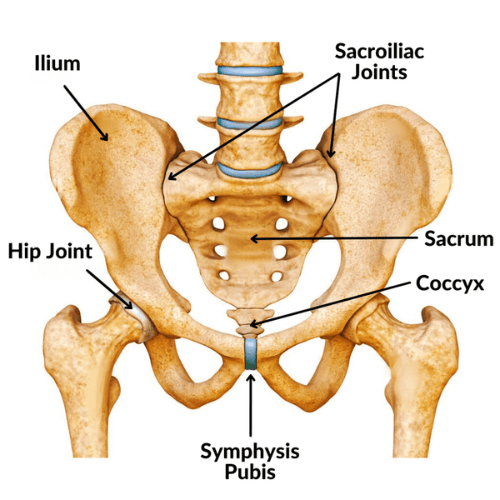
What Is Pelvic Joint Dysfunction?
Pelvic joint dysfunction most commonly involves the sacroiliac (SI) joints, which connect the spine to the pelvis. These joints are designed to be stable while still allowing small, controlled movements that help transfer forces between the upper and lower body.
When normal motion in these joints becomes restricted, excessive, or irritated, stress builds in the surrounding muscles, ligaments, and connective tissue. Over time, this can lead to pain in the:
Low back
Buttocks
Hips
Groin
Upper thighs
Pelvic joint dysfunction can affect people of all ages and activity levels. It may develop gradually or after pregnancy, repetitive strain, poor movement mechanics, prolonged sitting, or trauma such as a fall or car accident.
Common Symptoms of Pelvic Joint Dysfunction
Pelvic joint dysfunction does not always present the same way for everyone, which is why it is often misdiagnosed. Common symptoms include:
Deep, aching pain in the low back or buttocks
Pain that worsens with prolonged sitting or standing
Discomfort when changing positions, such as getting out of a chair or bed
Hip or groin pain without a clear hip injury
A feeling of stiffness, unevenness, or instability while walking
Symptoms often fluctuate, improving one day and flaring the next. This pattern frequently delays proper diagnosis without a focused clinical evaluation.
How do you fix sacroiliac joint dysfunction?
Treatment focuses on restoring proper joint motion, improving pelvic stability, and reducing strain on surrounding tissues. Conservative care is often very effective and may include:
Manual therapy to improve sacroiliac joint mobility
Targeted exercises to support the pelvis and core
Soft tissue therapy to reduce muscle tension
Movement retraining to reduce repetitive stress
Addressing how the pelvis, hips, and spine work together is essential for lasting relief.
How long does it take for a sacroiliac joint to heal?
Recovery time varies depending on how long the dysfunction has been present and how consistently it is treated. Many patients notice meaningful improvement within a few weeks once appropriate care begins.
Chronic or recurrent pelvic joint dysfunction may take longer to resolve, particularly if muscle imbalances, posture, or movement habits are not corrected.
What medicine is good for sacroiliac joint pain?
Medication may help reduce symptoms temporarily, but it does not correct the underlying joint or movement dysfunction. Many patients seek conservative care to avoid long-term reliance on medication and to address the root cause of their pain rather than masking symptoms.
What is arthritis in the pelvic joint?
Arthritis in the pelvic or sacroiliac joints occurs when joint surfaces become irritated or degenerate over time. This can lead to stiffness, reduced mobility, and pain with daily activities.
While arthritis cannot be reversed, improving joint mechanics, muscle support, and movement patterns can significantly reduce symptoms and improve function.
How Pelvic Joint Dysfunction Is Evaluated
A thorough evaluation looks beyond the painful area alone. At Cole Pain Therapy Group, assessment may include:
Pelvic and sacroiliac joint mobility testing
Hip and lumbar spine movement analysis
Muscle balance, strength, and coordination assessment
Posture and functional movement screening
Imaging is not always necessary. Many cases are identified through careful clinical examination and movement testing.
Treatment Options for Pelvic Joint Dysfunction
Manual Therapy
Hands-on treatment helps restore healthy joint motion and reduce irritation in the pelvic joints and surrounding tissues. Improving mobility often reduces protective muscle guarding and pain.
Corrective Exercise
Targeted exercises improve pelvic and spinal support by strengthening the core, glutes, and stabilizing muscles. Controlled movement retraining helps restore balance and confidence.
Soft Tissue Therapy
Muscles surrounding the pelvis often tighten when joints are not moving well. Soft tissue care improves flexibility and reduces tension that contributes to ongoing discomfort.
Movement and Postural Retraining
Many people unknowingly adopt movement habits that overload the pelvis. Retraining daily movements helps prevent recurring irritation and supports long-term relief.
At Cole Pain Therapy Group, our approach focuses on identifying and correcting the underlying cause of pelvic pain rather than simply masking symptoms. Patients across Memphis, Bartlett, Germantown, Collierville, and nearby communities choose us because we combine hands-on care with personalized movement strategies designed for lasting results.
If pelvic pain has been limiting your daily activities, conservative care may be the solution you have been looking for.
Related Reads
NEW PATIENTS
Step 1
Call today to schedule your convenient appointment.
Step 2
Pre-register your important health information on your phone or computer to save time.
Step 3
Meet your new doctor for a customized plan and start moving toward your goal!
Discover how we may help!
We are the Memphis area’s top-rated chiropractic group, providing you with gentle chiropractic care, dry needle therapy, exercise therapy, and therapeutic massage.

2845 Summer Oaks Dr, Memphis, TN 38134
(901) 377-2340
Life Shouldn't Hurt!
You Deserve To Feel Great. We Can Help!
Your go-to Chiropractor in Memphis, TN

Richard L. Cole, DC, DACNB, DAIPM, FIACN, FICC
Jeffrey D. Luebbe, DC, CCRD, CCSP
W. Steven Vollmer, DC, DAAPM
Bradford J. Cole, DC, MS, CSCS
J. Colby Poston, DC
Daniel H. Smith, DC
2845 Summer Oaks Dr., Memphis, TN 38134
(901) 377-2340
Monday – Friday:
8:00 AM – 6:00 PM
Saturday :
8:00 AM – 12:00 PM
Walk-ins are Welcome!
© 2025 Cole Pain Therapy Group, All Rights Reserved