Acetaminophen and Liver Damage: What You Need to Know and Safer Alternatives
Acetaminophen is the most widely used pain reliever, which is exactly why its risks are so easy to overlook. It is the main ingredient in medications such as Tylenol®, and it is generally considered safe when taken occasionally and in small doses. The concern is what happens when it is taken too often, in too large an amount, or by someone whose liver is already under strain.
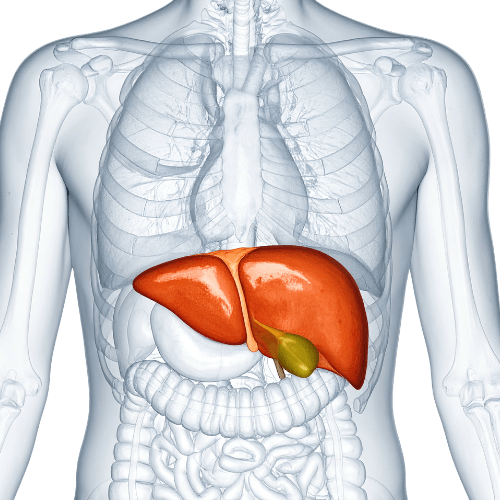
The numbers show why this matters. Research attributes about half of all acute liver failure in the United States to acetaminophen. Each year, an estimated 56,000 liver injuries needing emergency treatment, 26,000 hospitalizations, and 458 deaths are linked to it, and many of these cases involve an overdose.
Part of the challenge is that the warning signs are easy to miss. The first symptoms are usually nausea and vomiting, which look like many ordinary illnesses, and in some cases liver toxicity develops with no symptoms at all. That makes it worth knowing what you are taking, how much, and whether there are safer options for the pain you are treating.
What are the risks of accidental overdosing on acetaminophen?
It is easy to overdose unintentionally. Acetaminophen is the primary ingredient in Tylenol and is also in almost 200 brand name and generic products, from headache and backache pills to cold and flu remedies and sore throat medications, most available over the counter. Taking several of them for pain, fever, sore throat, cough, and cold can multiply the dose, and combining prescription and over-the-counter products increases the risk. Giving a child Children’s Tylenol over several days to relieve a fever can also lead to an inadvertent overdose.
How can I avoid liver damage from acetaminophen?
Do not take more than 1 gram (1,000 mg) at once, and do not exceed 4,000 mg in 24 hours. Always check whether your over-the-counter or prescription medications contain acetaminophen. For children, dosing depends on weight and the specific product, so follow the product label and ask a pediatrician or pharmacist.
What are the risk factors for acetaminophen poisoning?
Fasting, which often happens when people are ill or in extreme pain, raises the risk, along with dieting, alcohol consumption, and mixing medications. Other risk factors include AIDS, liver disease, malnutrition, anorexia, and kidney disease. A genetic predisposition to liver problems also increases the risk, even when someone takes the prescribed dose.
Which medications contain acetaminophen?
Common over-the-counter products include Tylenol, Children’s Tylenol, Tylenol PM, Excedrin, Excedrin PM, Alka-Seltzer Plus Cold and Sinus, and Sudafed Cold and Sinus. Common prescription products include Vicodin, Percocet, Endocet, Roxicet, Ultracet, and Midrin.
At Cole Pain Therapy Group, we are committed to wellness and to avoiding the unnecessary use of medications. Before relying on medication to manage acute or chronic pain, we encourage you to check with a health care provider about whether safer options are available. Depending on your needs, we can develop a program of conservative, medication-free care that may combine more than one type of treatment, including spinal manipulation, mobilization, or massage, along with electric stimulation, rehabilitative exercises, advice on nutrition, and suggestions for posture modification. If you are unsure what is safe for you to take, or you want to explore a drug-free approach to your pain, we are here to talk it through.
Related Reads
References
1. Larson AM, et al. Acetaminophen-induced acute liver failure: results of a United States multicenter, prospective study. Hepatology 2005;42:1364-1372.
2. Nourjah P, Ahmad SR, Karwoski C, Willy M. Estimates of acetaminophen (Paracetamol)-associated overdoses in the United States. Pharmacoepidemiol Drug Saf 2006 Jun;15(6):398-405.
3. Recommendations for FDA Interventions to Decrease the Occurrence of Acetaminophen Hepatotoxicity Prepared for Janet Woodcock, M.D. Acting Director, Center for Drug Evaluation and Research by The Acetaminophen Hepatotoxicity Working Group. Center for Drug Evaluation and Research Food and Drug Administration. Department of Health and Human Services. February 26, 2008. www.fda.gov.
4. Dangers of Too Much Acetaminophen! Minnesota Poison Control System. www.mnpoison.org.
5. Morgan B. Poison in the Medicine Cabinet. ACA News 2009 Sept;5(9):18.
NEW PATIENTS
Step 1
Call today to schedule your convenient appointment.
Step 2
Pre-register your important health information on your phone or computer to save time.
Step 3
Meet your new doctor for a customized plan and start moving toward your goal!
Discover how we may help!
We are the Memphis area’s top-rated chiropractic group, providing you with gentle chiropractic care, dry needle therapy, exercise therapy, and therapeutic massage.

2845 Summer Oaks Dr, Memphis, TN 38134
(901) 377-2340
Life Shouldn't Hurt!
You Deserve To Feel Great. We Can Help!
Your go-to Chiropractor in Memphis, TN

Richard L. Cole, DC, DACNB, DAIPM, FIACN, FICC
Jeffrey D. Luebbe, DC, CCRD, CCSP
W. Steven Vollmer, DC, DAAPM
Bradford J. Cole, DC, MS, CSCS
J. Colby Poston, DC
Daniel H. Smith, DC
2845 Summer Oaks Dr., Memphis, TN 38134
(901) 377-2340
Monday – Friday:
8:00 AM – 6:00 PM
Saturday :
8:00 AM – 12:00 PM
Walk-ins are Welcome!
© 2025 Cole Pain Therapy Group, All Rights Reserved