Dupuytren’s Contracture Treatment: Finding Comfort and Better Hand Movement
Dupuytren’s contracture is a hand condition that gradually causes one or more fingers to bend toward the palm. It develops slowly over time as the tissue under the skin of the hand thickens and tightens. While it can be frustrating, early recognition and gentle care can help maintain movement and hand function, especially when guided by a team experienced in soft-tissue and joint care, such as the chiropractors at Cole Pain Therapy Group in Memphis.
Understanding Dupuytren’s Contracture
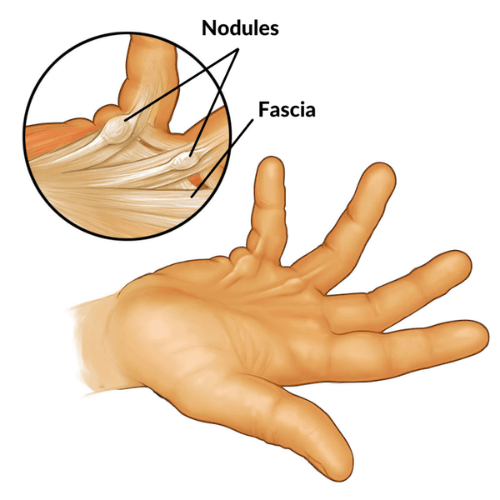
In Dupuytren’s contracture, a layer of connective tissue in the palm called the palmar fascia becomes thick and fibrous. Over time, it may form nodules or cords that pull the fingers inward. This condition usually affects the ring and little fingers, making it difficult to straighten them fully.
Research shows that mast cells (specialized immune cells involved in inflammation) may play a role in the progression of Dupuytren’s contracture by contributing to tissue thickening and scarring. While the exact cause isn’t always known, several factors may increase risk:
Family history or genetic predisposition
Aging (more common after age 50)
Smoking or excessive alcohol use
Diabetes or certain metabolic conditions
Prior hand injuries or strain
There’s also some association between Dupuytren’s contracture and heart disease, though the relationship is complex and still being studied.
Early Signs to Watch For
Catching Dupuytren’s contracture early can make a big difference in preserving flexibility. According to early clinical research, patients may notice:
Small, firm lumps or nodules in the palm
Tightness or thickened skin along the fingers
Difficulty placing the hand flat on a table (Hueston’s tabletop test)
Gradual bending of one or more fingers
If you notice these changes, gentle stretching and early care can help slow progression and support mobility before the contracture becomes severe.
How Dupuytren’s Contracture Is Diagnosed
Diagnosis is typically based on a physical examination. Your healthcare provider will check for palm nodules, skin puckering, and finger flexibility.
Simple tests, such as the tabletop test, can help distinguish Dupuytren’s contracture from other causes of finger stiffness like trigger finger or flexor tendon nodules.
If needed, imaging or measurement of finger extension may help track the condition’s progression or evaluate the effects of treatment.
Dupuytren’s Contracture Treatment
The best treatment depends on the stage of the condition. Early stage Dupuytren’s contracture treatment focuses on maintaining hand mobility and comfort through gentle, non-surgical methods.
Conservative care may include:
Stretching and splinting: Regular stretching and the use of custom splints can slow the tightening of tissue and improve flexibility.
Soft tissue therapy: Gentle manual therapy helps maintain blood flow and mobility in the surrounding joints and tendons.
Exercise therapy: Targeted hand exercises improve finger extension and grip strength. These can be combined with posture and shoulder mobility work, especially for patients who also experience arm and leg pain or upper-body stiffness.
Heat therapy: Applying warmth before stretching helps soften tissue and reduce tension.
Lifestyle support: Managing metabolic conditions, avoiding smoking, and limiting alcohol can improve tissue health.
For advanced cases, medical interventions like collagenase injections or surgery may be discussed, but research shows that many patients benefit significantly from early conservative care.
At Cole Pain Therapy Group, our approach emphasizes restoring function gently, improving comfort, and supporting overall bone health and soft-tissue resilience.
The Role of Exercise and Hand Therapy
Exercise plays a key role in Dupuytren’s management. The goal is to keep the fingers and palm as flexible as possible while avoiding strain.
Helpful exercises include:
Gentle finger stretches (extending fingers against mild resistance)
Palm-opening stretches using a soft ball
Wrist and forearm mobility drills
Nerve and tendon glides
These exercises not only help maintain range of motion but also prevent compensations that can lead to shoulder, neck, or back tension. Patients recovering from surgery or injections can benefit from structured hand therapy to improve digital extension and function.
For athletes or active individuals, see our guide to sport injuries for additional advice on protecting tendons and joints during activity.
Living with Dupuytren’s contracture often means adjusting small daily habits, like stretching the hand during breaks or using adaptive grips for tools. The goal isn’t just to manage symptoms but to preserve confidence and independence in how you use your hands.
Incorporating healthy movement, good nutrition, and regular exercise supports circulation and joint health. You may also explore resources on maintaining good sleep hygiene and tips to prevent back pain, since full-body posture and relaxation affect how your upper limbs function.
NEW PATIENTS
Step 1
Call today to schedule your convenient appointment.
Step 2
Pre-register your important health information on your phone or computer to save time.
Step 3
Meet your new doctor for a customized plan and start moving toward your goal!
Discover how we may help!
We are the Memphis area’s top-rated chiropractic group, providing you with gentle chiropractic care, dry needle therapy, exercise therapy, and therapeutic massage.

2845 Summer Oaks Dr, Memphis, TN 38134
(901) 377-2340
Life Shouldn't Hurt!
You Deserve To Feel Great. We Can Help!
Your go-to Chiropractor in Memphis, TN

Richard L. Cole, DC, DACNB, DAIPM, FIACN, FICC
Jeffrey D. Luebbe, DC, CCRD, CCSP
W. Steven Vollmer, DC, DAAPM
Bradford J. Cole, DC, MS, CSCS
J. Colby Poston, DC
Daniel H. Smith, DC
2845 Summer Oaks Dr., Memphis, TN 38134
(901) 377-2340
Monday – Friday:
8:00 AM – 6:00 PM
Saturday :
8:00 AM – 12:00 PM
Walk-ins are Welcome!
© 2025 Cole Pain Therapy Group, All Rights Reserved