Everything You Need To Know About Long Thoracic Neuropathy And Its Impact On Shoulder Stability
Long thoracic neuropathy is a condition where the long thoracic nerve, which controls the serratus anterior muscle, becomes damaged. This nerve injury can cause scapular winging, which means your shoulder blade sticks out, leading to shoulder instability. The long thoracic nerve plays a vital role in stabilizing the shoulder and helping it move properly, so when it’s injured, it significantly affects shoulder function.
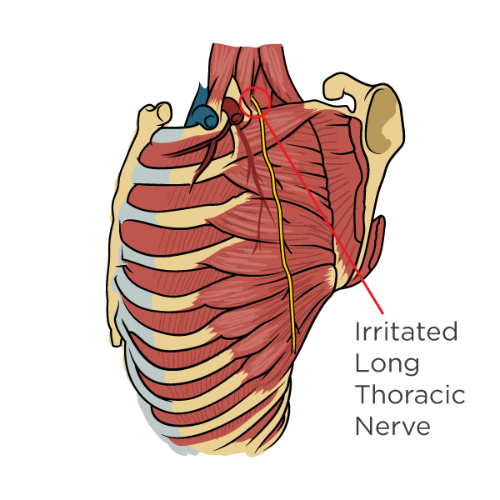
What Causes Long Thoracic Neuropathy?
There are several causes of long thoracic neuropathy:
Repetitive Strain: Activities that involve repetitive arm movements, especially overhead, can cause stress on the long thoracic nerve. This is common in athletes who engage in weightlifting, swimming, or tennis.
Trauma or Injury: Injuries, including blunt trauma or even previous surgeries, can damage the nerve. Conditions like Parsonage-Turner Syndrome (brachial neuritis) and radiation therapy may also be culprits.
Risky Movements: Certain activities that combine neck rotation and arm elevation increase the strain on the long thoracic nerve. These include sports and exercises where these motions are frequent.
Common Symptoms of Long Thoracic Neuropathy
If you have long thoracic neuropathy, you may experience:
Scapular Winging: This is the hallmark sign where your shoulder blade sticks out when raising your arm.
Pain and Weakness: You might feel weakness when pushing, pulling, or lifting, especially when your arm is above shoulder height.
Fatigue: Your shoulder may tire easily during overhead activities.
Limited Movement: Difficulty flexing or raising your arm beyond 90 degrees.
Instability: A sense of instability, especially when performing tasks that engage your shoulder in extended positions.
Diagnosing Long Thoracic Neuropathy
Diagnosing long thoracic neuropathy requires a combination of physical exams and tests. Doctors often look for signs of scapular winging and will assess your range of motion.
An EMG (electromyogram) is the best way to confirm the diagnosis. It measures the electrical activity in the muscles and can show nerve damage.
Treatment for Long Thoracic Neuropathy
Treatment options vary depending on the severity and duration of the condition:
Conservative Care: In many cases, rest and physical therapy can help reduce symptoms. Focused therapy may include scapular stabilization exercises to strengthen the surrounding muscles and nerve flossing to help the nerve recover.
Important Note: Avoid aggressive stretching that could worsen the injury. Early intervention with proper physical therapy can lead to significant improvements in 6 to 12 months.
Surgery: If conservative treatment doesn’t help, surgery might be considered after 6-12 months. Surgical options typically involve releasing the nerve from the area of entrapment. However, outcomes can vary, especially for those with long-term symptoms (over 10 years).
When Should You Seek Help?
It’s important to seek medical attention if you experience pain, weakness, or scapular winging, particularly if these symptoms persist for several weeks or interfere with your daily activities. A timely diagnosis can help prevent long-term issues and improve the chances of recovery.
The Road to Recovery
The prognosis for long thoracic neuropathy is mixed. While some people experience full or partial recovery within 6 to 12 months with conservative care, others may face long-term symptoms, especially if the condition goes untreated for a long period.
Physical therapy plays a key role in recovery. If the condition doesn’t improve with therapy, surgical options like nerve release or stabilization surgery may be explored, but they come with risks and varying outcomes.
Key Takeaways
Scapular winging is a key sign of long thoracic neuropathy and can cause shoulder instability.
Rest and physical therapy are essential for recovery. Surgical options are available but may not be as effective for long-term cases.
Timely diagnosis and treatment can help manage symptoms and restore shoulder function.
NEW PATIENTS
Step 1
Call today to schedule your convenient appointment.
Step 2
Pre-register your important health information on your phone or computer to save time.
Step 3
Meet your new doctor for a customized plan and start moving toward your goal!
Discover how we may help!
We are the Memphis area’s top-rated chiropractic group, providing you with gentle chiropractic care, dry needle therapy, exercise therapy, and therapeutic massage.

2845 Summer Oaks Dr, Memphis, TN 38134
(901) 377-2340
Life Shouldn't Hurt!
You Deserve To Feel Great. We Can Help!
Your go-to Chiropractor in Memphis, TN

Richard L. Cole, DC, DACNB, DAIPM, FIACN, FICC
Jeffrey D. Luebbe, DC, CCRD, CCSP
W. Steven Vollmer, DC, DAAPM
Bradford J. Cole, DC, MS, CSCS
J. Colby Poston, DC
Daniel H. Smith, DC
2845 Summer Oaks Dr., Memphis, TN 38134
(901) 377-2340
Monday – Friday:
8:00 AM – 6:00 PM
Saturday :
8:00 AM – 12:00 PM
Walk-ins are Welcome!
© 2025 Cole Pain Therapy Group, All Rights Reserved