Understanding Pubic Symphysis Dysfunction And How To Heal Safely
Pubic symphysis dysfunction is a condition that affects the joint at the front of the pelvis and can cause pelvic pain, groin discomfort, or lower abdominal strain. While it is commonly associated with pregnancy and postpartum changes, pubic symphysis dysfunction can also occur in non-pregnancy situations involving pelvic instability, trauma, or repetitive asymmetrical movement.
At Cole Pain Therapy Group, we help patients throughout Memphis, Bartlett, Germantown, Collierville, and surrounding areas address pelvic pain by improving joint stability, movement coordination, and functional strength through conservative, hands-on care.
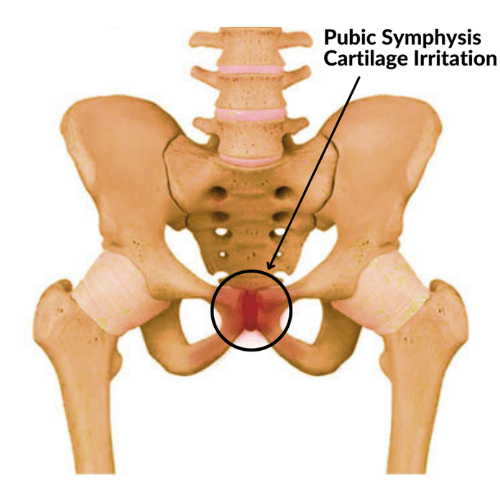
What Is Pubic Symphysis Dysfunction?
The pubic symphysis is a joint located at the front of the pelvis where the left and right pubic bones meet. It is supported by strong ligaments and is designed to allow small, controlled movements that help absorb forces during walking, standing, and weight shifting.
Pubic symphysis dysfunction occurs when this joint becomes irritated, overly mobile, or unable to tolerate normal load. During pregnancy, hormonal changes increase ligament laxity to prepare for childbirth, which can place additional stress on the joint. After pregnancy or in non-pregnancy cases, poor load transfer, muscle imbalance, or trauma can contribute to ongoing irritation.
When the joint is not adequately supported by surrounding muscles, even routine activities can trigger pain.
Common Symptoms of Pubic Symphysis Dysfunction
Symptoms can vary in intensity and may fluctuate throughout the day. Common signs include:
Pain at the front of the pelvis or pubic bone
Groin or inner thigh discomfort
Pain with walking, standing, or climbing stairs
Pain when turning in bed or getting in and out of a car
Clicking, popping, or grinding sensations near the pubic area
Increased pain during single-leg activities such as stepping or dressing
Symptoms often worsen with asymmetrical movements or prolonged activity.
What Are The Symptoms Of Symphysis Pubis Dysfunction?
People commonly report pelvic or groin pain that increases when standing on one leg, rolling in bed, walking long distances, or transitioning between positions. Many patients notice relief with rest but repeated flare-ups when daily demands increase.
How Do You Fix Symphysis Pubis Dysfunction?
Treatment focuses on improving pelvic stability, restoring balanced movement, and reducing uneven stress across the joint. Conservative care is often very effective and may include:
Manual therapy to improve pelvic joint coordination
Targeted stabilization and strengthening exercises
Movement and posture modification for daily activities
Education on safe strategies for walking, lifting, and bed mobility
Addressing how the pelvis, hips, and core function together is essential for long-term improvement.
Where Do You Feel Pelvic Pain During Pregnancy?
Pelvic pain during pregnancy is most often felt at the front of the pelvis near the pubic bone. It may also radiate into the groin, hips, inner thighs, or lower back. Pain frequently worsens with walking, standing, climbing stairs, or rolling in bed.
What Is The Function Of The Pubic Symphysis?
The pubic symphysis stabilizes the pelvis while allowing small, controlled movements needed for walking, balance, and childbirth. It works together with the sacroiliac joints, hips, and core muscles to distribute forces evenly through the pelvis during daily and athletic activities.
What Causes Pubic Symphysis Dysfunction?
Several factors can contribute, including:
Pregnancy-related ligament laxity
Postpartum pelvic instability
Repetitive asymmetrical movement patterns
Weakness or delayed activation of pelvic stabilizing muscles
Trauma or previous pelvic injury
In most cases, symptoms develop from a combination of increased joint motion and reduced muscular support rather than a single cause.
How Pubic Symphysis Dysfunction Is Evaluated
A proper evaluation focuses on identifying movement patterns that overload the joint rather than relying on imaging alone. At Cole Pain Therapy Group, assessment may include:
Pelvic alignment and mobility testing
Functional movement analysis
Strength, coordination, and load transfer assessment
Provocation-based pelvic tests
Imaging is not always necessary when symptoms and exam findings clearly indicate pubic symphysis involvement.
Conservative Treatment Options
Manual Therapy
Hands-on techniques help reduce joint irritation, improve coordinated pelvic motion, and decrease protective muscle guarding.
Pelvic Stability Training
Targeted exercises strengthen the abdominal, pelvic floor, and hip muscles to better support the joint during movement.
Movement And Activity Modification
Learning how to move symmetrically during walking, standing, and daily tasks significantly reduces strain on the joint.
Support Strategies
Temporary use of pelvic support belts or positional strategies may help during higher-demand activities, especially during pregnancy or early postpartum recovery.
At Cole Pain Therapy Group, we provide individualized, evidence-based care focused on restoring pelvic stability and confidence in movement. Patients throughout Memphis and the surrounding communities choose us for our compassionate approach to pelvic pain during pregnancy, postpartum recovery, and non-pregnancy-related pelvic dysfunction.
If pelvic pain has been interfering with daily life, safe and effective conservative treatment options are available.
Related Reads
NEW PATIENTS
Step 1
Call today to schedule your convenient appointment.
Step 2
Pre-register your important health information on your phone or computer to save time.
Step 3
Meet your new doctor for a customized plan and start moving toward your goal!
Discover how we may help!
We are the Memphis area’s top-rated chiropractic group, providing you with gentle chiropractic care, dry needle therapy, exercise therapy, and therapeutic massage.

2845 Summer Oaks Dr, Memphis, TN 38134
(901) 377-2340
Life Shouldn't Hurt!
You Deserve To Feel Great. We Can Help!
Your go-to Chiropractor in Memphis, TN

Richard L. Cole, DC, DACNB, DAIPM, FIACN, FICC
Jeffrey D. Luebbe, DC, CCRD, CCSP
W. Steven Vollmer, DC, DAAPM
Bradford J. Cole, DC, MS, CSCS
J. Colby Poston, DC
Daniel H. Smith, DC
2845 Summer Oaks Dr., Memphis, TN 38134
(901) 377-2340
Monday – Friday:
8:00 AM – 6:00 PM
Saturday :
8:00 AM – 12:00 PM
Walk-ins are Welcome!
© 2025 Cole Pain Therapy Group, All Rights Reserved