What You Need to Know About Myofascial Release: Relieving Pain and Restoring Flexibility
Fascia is a continuous network of connective tissue that surrounds and supports muscles, ligaments, nerves, blood vessels, and other structures throughout the body. It is often compared to a spider web because tension in one area can influence how neighboring structures function. Injury, repetitive activity, prolonged postural strain, illness, and stress may alter these tissues, contributing to tightness, discomfort, or reduced mobility.
Changes within the fascia can make normal activities more difficult. Symptoms may include stiffness, decreased range of motion, localized discomfort, numbness, or tingling, and the area where symptoms are felt may not always reveal their source. Since many musculoskeletal problems can cause similar complaints, an appropriate evaluation can help determine what is contributing to the problem before treatment begins.
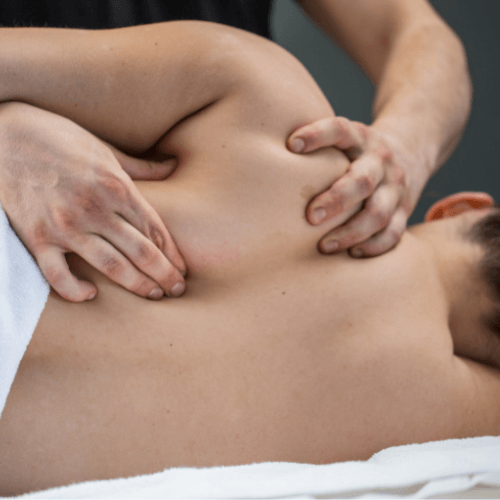
Myofascial release is a form of manual therapy that uses slow, sustained contact and gentle stretching to address areas of fascial tension. Rather than using quick or forceful techniques, the clinician gradually works with the tissue based on how it responds and the patient’s comfort. The goal is to decrease tension and help the affected area function more comfortably.
This technique may be useful when fascial tightness contributes to pain or interferes with everyday activity. It can also be incorporated into a broader rehabilitation program, allowing improvements achieved through hands-on care to be supported by appropriate exercise and other conservative therapies.
What does myofascial release do?
Myofascial release works on areas of fascial tension using gentle, sustained techniques. Treatment may help decrease stiffness, increase range of motion, and make activities such as reaching, bending, walking, or exercising more comfortable when connective-tissue tightness is contributing to symptoms.
How is myofascial release different from massage?
The primary difference is the treatment focus and technique. Myofascial release generally emphasizes fascia and uses slower, sustained contact, while massage encompasses a wider variety of techniques that may include kneading, compression, or rhythmic strokes directed toward muscles and other tissues. The two approaches can overlap, but they are not necessarily used for the same purpose.
Can I do myofascial release on myself?
Some self-myofascial techniques can be performed with a foam roller, massage ball, or similar tool. Use controlled, tolerable pressure rather than aggressively working a painful area. If symptoms persist or you experience significant loss of function, numbness, or tingling, seek a professional evaluation to determine what may be responsible.
What to expect after myofascial release?
The response varies from person to person and depends on the area treated. Some patients notice less tension or greater ease with everyday activities afterward, while mild temporary tenderness may occur. Your provider may recommend specific exercises or activity modifications following treatment to support your progress.
At Cole Pain Therapy Group, our doctors assess how fascial and muscular tension may be affecting your overall function. When myofascial release is appropriate, it can be incorporated into an individualized treatment plan to ease discomfort, increase range of motion, and support your progress through rehabilitation.
Related Reads
NEW PATIENTS
Step 1
Call today to schedule your convenient appointment.
Step 2
Pre-register your important health information on your phone or computer to save time.
Step 3
Meet your new doctor for a customized plan and start moving toward your goal!
Discover how we may help!
We are the Memphis area’s top-rated chiropractic group, providing you with gentle chiropractic care, dry needle therapy, exercise therapy, and therapeutic massage.

2845 Summer Oaks Dr, Memphis, TN 38134
(901) 377-2340
Life Shouldn't Hurt!
You Deserve To Feel Great. We Can Help!
Your go-to Chiropractor in Memphis, TN

Richard L. Cole, DC, DACNB, DAIPM, FIACN, FICC
Jeffrey D. Luebbe, DC, CCRD, CCSP
W. Steven Vollmer, DC, DAAPM
Bradford J. Cole, DC, MS, CSCS
J. Colby Poston, DC
Daniel H. Smith, DC
2845 Summer Oaks Dr., Memphis, TN 38134
(901) 377-2340
Monday – Friday:
8:00 AM – 6:00 PM
Saturday :
8:00 AM – 12:00 PM
Walk-ins are Welcome!
© 2025 Cole Pain Therapy Group, All Rights Reserved