Wrist Flexor Injury How To Reduce Pain And Improve Grip
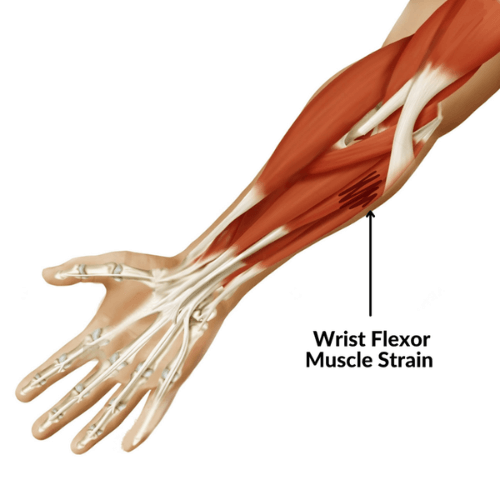
Wrist flexor muscle injuries are a common source of forearm and wrist pain, particularly in people who perform repetitive gripping, lifting, typing, or sport-specific movements. The wrist flexor muscles run along the inner (palm-side) forearm and play a critical role in bending the wrist and fingers while supporting grip strength, endurance, and fine motor control.
When these muscles or their tendons become strained or overloaded, pain, weakness, and reduced hand function can develop. Symptoms may interfere with work tasks, exercise, and everyday activities that require sustained grip or wrist control.
At Cole Pain Therapy Group, wrist flexor injuries are addressed by identifying the specific tissue involved and correcting the movement patterns and loading demands that continue to stress the forearm. Care is focused on restoring wrist control, reducing pain, and protecting long-term hand function through targeted, movement-based treatment.
How do you Treat Wrist Flexor Pain?
Effective treatment for wrist flexor pain focuses on calming irritated tissue while restoring strength, coordination, and load tolerance through the wrist and forearm.
Treatment commonly includes activity modification to reduce ongoing strain, hands-on soft tissue care to decrease muscle tension, and progressive strengthening to rebuild tolerance to gripping and lifting. Gentle mobility work helps maintain wrist range of motion without aggravating symptoms.
As pain improves, controlled strengthening of both the wrist flexors and extensors is introduced to rebalance forearm mechanics and improve grip stability. In cases where symptoms persist or become chronic, focused shockwave therapy may be used to stimulate tissue recovery and support healing in irritated muscle or tendon tissue as part of a comprehensive rehabilitation plan.
How Long do Wrist Strains Take to Heal?
Healing time depends on the severity of the strain, the tissue involved, and how consistently the wrist is protected during recovery.
Mild wrist flexor strains may improve within one to two weeks
Moderate strains often require several weeks of guided rehabilitation
Persistent or repetitive overuse injuries may take six weeks or longer, especially if grip demands remain high
Returning to full activity too early often delays healing. A gradual return to gripping and loading allows the tissue to rebuild strength and resilience without recurring pain.
Can Pregnancy Cause Tendonitis in the Wrist?
Yes. Pregnancy can increase the risk of wrist tendon irritation, including wrist flexor tendonitis.
Hormonal changes, increased fluid retention, and ligament laxity during pregnancy can place additional stress on wrist tendons. Repetitive hand use, lifting, and postural changes during pregnancy and the postpartum period may further contribute to pain, stiffness, and reduced grip strength.
Treatment focuses on reducing strain, improving wrist positioning, and maintaining strength while respecting the body’s changing demands.
What are the Symptoms of Wrist Flexor Strain?
Common symptoms of a wrist flexor strain include pain along the inner forearm near the wrist, tenderness with gripping or lifting, and discomfort when bending the wrist forward.
Some individuals notice weakness, quicker fatigue with hand use, or pain that worsens after repetitive activity. Swelling or stiffness may also be present, particularly in the early stages of injury.
Symptoms often increase with activities such as typing, lifting objects, carrying groceries, or sports that require sustained or forceful grip.
At Cole Pain Therapy Group, wrist flexor injuries are evaluated with a focus on movement quality, grip mechanics, and load tolerance. Care plans are designed to restore wrist control, improve grip strength, and reduce stress on irritated muscle and tendon tissue.
Treatment may include manual therapy, corrective exercise, movement retraining, and focused shockwave therapy when appropriate. The goal is not just short-term symptom relief, but helping patients return to daily tasks, work, and activity with confidence and long-term resilience.
Patients from Memphis, Bartlett, Lakeland, and Arlington choose Cole Pain Therapy Group for personalized care that addresses both pain and performance.
Related Reads
NEW PATIENTS
Step 1
Call today to schedule your convenient appointment.
Step 2
Pre-register your important health information on your phone or computer to save time.
Step 3
Meet your new doctor for a customized plan and start moving toward your goal!
Discover how we may help!
We are the Memphis area’s top-rated chiropractic group, providing you with gentle chiropractic care, dry needle therapy, exercise therapy, and therapeutic massage.

2845 Summer Oaks Dr, Memphis, TN 38134
(901) 377-2340
Life Shouldn't Hurt!
You Deserve To Feel Great. We Can Help!
Your go-to Chiropractor in Memphis, TN

Richard L. Cole, DC, DACNB, DAIPM, FIACN, FICC
Jeffrey D. Luebbe, DC, CCRD, CCSP
W. Steven Vollmer, DC, DAAPM
Bradford J. Cole, DC, MS, CSCS
J. Colby Poston, DC
Daniel H. Smith, DC
2845 Summer Oaks Dr., Memphis, TN 38134
(901) 377-2340
Monday – Friday:
8:00 AM – 6:00 PM
Saturday :
8:00 AM – 12:00 PM
Walk-ins are Welcome!
© 2025 Cole Pain Therapy Group, All Rights Reserved