What You Need to Know About X-Rays: Risks, Safety, and Medical Use
X-rays are a widely used diagnostic imaging tool that can help healthcare professionals examine structures inside the body, particularly bones and joints. They may be recommended after an injury, when certain symptoms suggest an underlying condition, or when additional information is needed before determining an appropriate treatment plan. Knowing why an X-ray may be requested can help patients better understand its role in their care.
The technology works by passing a controlled amount of ionizing radiation through the body to create an image. Because different tissues absorb radiation differently, an X-ray can make certain structures and abnormalities visible that cannot be evaluated through an external examination alone. Depending on the patient’s situation, this information may help identify fractures, changes associated with arthritis, or other concerns affecting the musculoskeletal system.
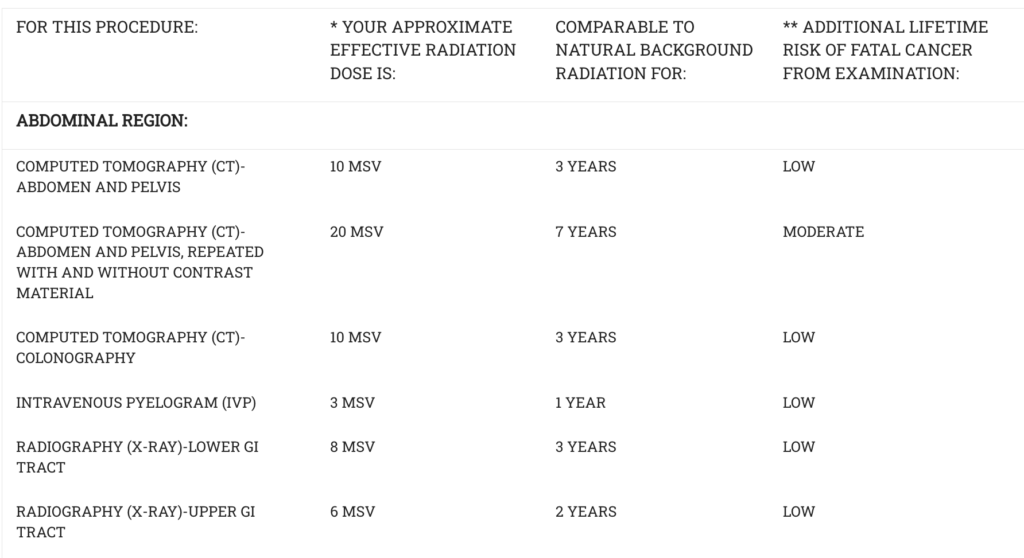
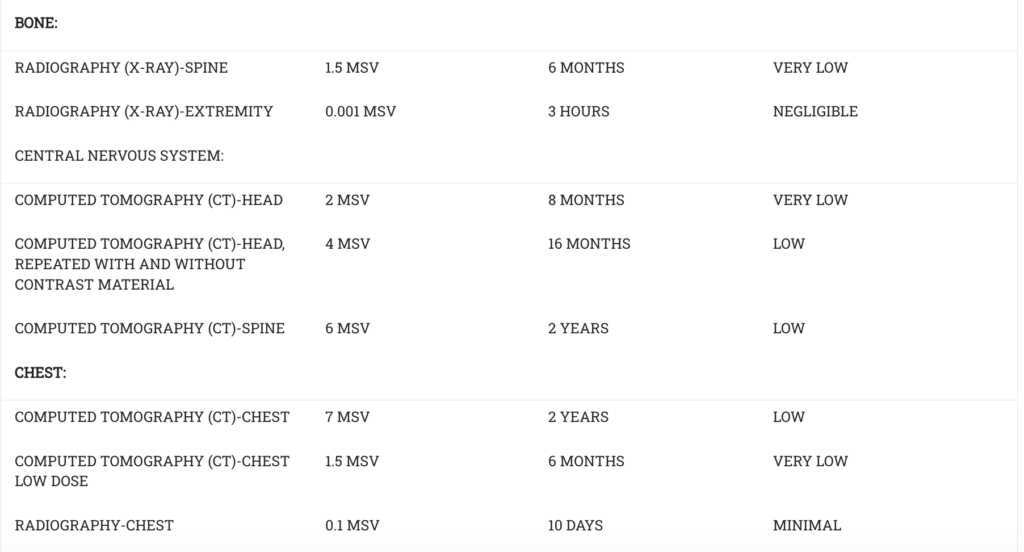
Radiation exposure is an important consideration, but modern equipment and established safety practices are designed to keep unnecessary exposure as low as reasonably achievable. X-rays are generally requested when the expected diagnostic benefit outweighs the potential risk, and the amount of radiation varies according to the examination being performed. For patients in Memphis, TN, understanding the purpose, benefits, and limitations of diagnostic imaging can make the process less intimidating and help them participate more confidently in healthcare decisions.
The following chart from RadiologyInfo.org (developed by the Radiological Society of North America and the American College of Radiology) compares the average exposure of various types of test with the dose of background radiation- that which we get every day.


What are the health risks of X-rays?
X-rays use ionizing radiation, which means there is a small potential long-term health risk associated with exposure. The level of radiation from a routine diagnostic examination is generally low, and modern equipment is designed to use the minimum amount necessary to produce a useful image. Healthcare professionals also consider whether the information gained from the examination justifies the exposure. Patients who have concerns about radiation can discuss the benefits and potential risks with their provider before the procedure.
Which is a serious side effect of X-ray?
A routine diagnostic X-ray does not typically cause an immediate serious side effect because the radiation dose is relatively small. The principal concern is the potential long-term effect associated with cumulative exposure to ionizing radiation rather than an immediate reaction after a standard examination. This is one reason unnecessary examinations are avoided and appropriate safety measures are followed. If you have questions about a particular examination, your healthcare provider can explain its expected benefits and risks.
Which is safer, CT scan or X-ray?
A conventional X-ray generally involves less radiation exposure than a CT scan, although the exact dose depends on the examination. CT scans use multiple X-ray measurements to produce detailed cross-sectional images, which typically requires more radiation than a single plain X-ray. However, a CT scan can provide information that a conventional X-ray cannot, making it useful for certain medical situations. The appropriate choice depends on what needs to be evaluated rather than simply selecting the test with the lowest radiation dose.
What are the medical uses of X-rays?
X-rays are commonly used to examine bones and joints, particularly when a fracture or other structural abnormality is suspected. They may also help evaluate certain changes associated with arthritis, bone disorders, or injuries that require further investigation. In some cases, imaging can provide information that helps a healthcare professional determine whether additional evaluation or treatment is appropriate. The examination selected depends on the patient’s symptoms, history, and clinical findings.
At Cole Pain Therapy Group, we provide care for musculoskeletal injuries, pain conditions, and movement-related concerns. Our team considers your symptoms, medical history, physical findings, and functional limitations when determining an appropriate course of care. When diagnostic imaging is relevant, X-ray findings can contribute useful information to the overall clinical picture and help inform treatment decisions. We prioritize patient safety and individualized care throughout the evaluation and treatment process.
Related Reads
NEW PATIENTS
Step 1
Call today to schedule your convenient appointment.
Step 2
Pre-register your important health information on your phone or computer to save time.
Step 3
Meet your new doctor for a customized plan and start moving toward your goal!
Discover how we may help!
We are the Memphis area’s top-rated chiropractic group, providing you with gentle chiropractic care, dry needle therapy, exercise therapy, and therapeutic massage.

2845 Summer Oaks Dr, Memphis, TN 38134
(901) 377-2340
Life Shouldn't Hurt!
You Deserve To Feel Great. We Can Help!
Your go-to Chiropractor in Memphis, TN

Richard L. Cole, DC, DACNB, DAIPM, FIACN, FICC
Jeffrey D. Luebbe, DC, CCRD, CCSP
W. Steven Vollmer, DC, DAAPM
Bradford J. Cole, DC, MS, CSCS
J. Colby Poston, DC
Daniel H. Smith, DC
2845 Summer Oaks Dr., Memphis, TN 38134
(901) 377-2340
Monday – Friday:
8:00 AM – 6:00 PM
Saturday :
8:00 AM – 12:00 PM
Walk-ins are Welcome!
© 2025 Cole Pain Therapy Group, All Rights Reserved