Note: If you’re experiencing any symptoms related to lower back pain or have concerns about spinal health, consult with a healthcare professional who specializes in neurological or spinal disorders. A tailored treatment plan can help you get back to your active routine.
Everything You Need To Know About Lumbar Spondylolisthesis - Type II Isthmic
If you’ve ever heard someone refer to lumbar spondylolisthesis, it’s a condition where one of the vertebrae in your lower back slides forward over the one beneath it. Think of it as a “slip” that can cause discomfort, particularly in active individuals. There are several types of spondylolisthesis, and today we’re focusing on Type II – also called Isthmic Spondylolisthesis.
This condition occurs when there’s a stress fracture in a part of the vertebra called the pars interarticularis. This fracture weakens the vertebra and allows it to slide out of place. The most common location for this slip to happen is in the L5 region of your lower back, making it the most common site for people with spondylolisthesis.
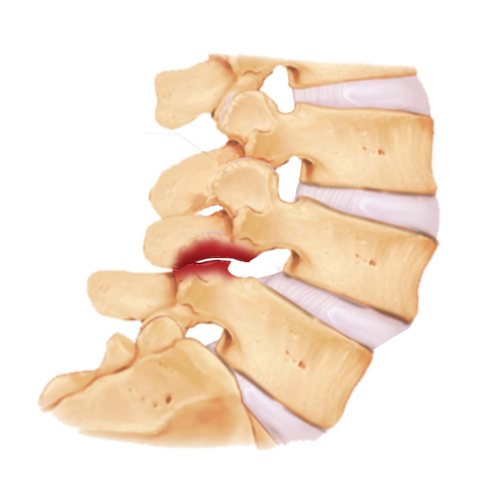
What Causes It?
While the exact cause of isthmic spondylolisthesis isn’t fully understood, it’s thought to happen due to a combination of muscle tightness, repetitive stress, and hyperextension of the lower back. Think about athletes who engage in sports like gymnastics, soccer, or track & field—activities that involve frequent bending backward or twisting motions. These motions put stress on the spine, which may eventually lead to the development of spondylolysis, a stress fracture in the vertebra. If left untreated, spondylolysis can progress to spondylolisthesis, where the vertebrae slip.
Interestingly, isthmic spondylolisthesis affects males more than females and is more common in Caucasians compared to other ethnic groups. It’s also frequently seen in young athletes, with the condition showing up in children as young as six years old. In fact, 90% of all pars defects occur at L5/S1.
How Does It Feel?
Most people with lumbar spondylolisthesis don’t experience any symptoms, especially in the early stages. However, some might notice discomfort after doing activities that involve twisting, bending backward, or lifting—like certain sports or even housework. If you’re overweight, it could also increase your risk for back problems like spondylolisthesis, so weight management plays a significant role in preventing further issues.
If you do experience pain, it may show up as low back pain that worsens with activity. This pain may also radiate to your buttocks or thighs. For women, the symptoms may become more noticeable during pregnancy, as the body’s weight and posture change. In rare cases, high-grade spondylolisthesis can compress nerves, leading to symptoms like numbness, weakness, or even loss of bladder control, which require immediate medical attention.
How Is It Diagnosed?
Diagnosing lumbar spondylolisthesis typically involves imaging tests. Your doctor may order X-rays to get a clear look at the spine, often showing a characteristic “collar on the Scotty dog” if a pars defect is present. MRI or CT scans may also be used to assess if there are any additional complications, like nerve damage.
One way doctors assess the severity of the condition is by grading the slip. Here’s how it works:
Grade I: A 1-25% slip
Grade II: A 26-50% slip
Grade III: A 51-75% slip
Grade IV: A 76-100% slip
Even though high-grade slips can be more problematic, it’s important to note that the degree of slip doesn’t always correlate with the severity of symptoms. For example, someone with a Grade I slip may experience more discomfort than someone with a Grade II slip.
What Can You Do About It?
If you’re diagnosed with lumbar spondylolisthesis, don’t worry—there are treatments available, and most cases can be managed without surgery.
Conservative Treatment:
If you’re in the active phase of spondylolysis (a recent injury), it’s important to take it easy and avoid activities that stress your lower back. Bracing can be helpful, especially for young athletes or those with low-grade spondylolisthesis. A Boston-type anti-lordotic brace can support the spine and prevent further slippage for up to 3-6 months.Rehabilitation:
Once the acute phase has passed, rehab can help you strengthen the muscles around your spine to provide better support. Focus on core exercises, like abdominal strengthening and hamstring stretching. Flexion-based exercises (such as knee-to-chest stretches) are especially helpful in improving pain and mobility while reducing extension stress on the spine.Surgical Treatment:
In cases where conservative treatments don’t work or if the slip is high-grade, surgery may be needed. A spinal fusion or decompression surgery can stabilize the spine and relieve nerve compression.Weight Management:
Maintaining a healthy body weight is key in managing and preventing back issues like spondylolisthesis. Losing extra pounds can take a significant amount of pressure off your spine, especially the lumbar region.
How to Prevent It?
While you can’t always prevent spondylolisthesis, especially if you’re genetically predisposed, you can reduce your risk by:
Maintaining a healthy weight
Staying active with low-impact exercises
Strengthening your core and back muscles to support the spine
Using proper lifting techniques to avoid strain on the lower back
Stretching regularly, especially the hip flexors, hamstrings, and lumbar erectors
For those who play sports like Pickleball, gymnastics, or soccer, it’s important to take care when engaging in activities that require repetitive bending or twisting. Always warm up and cool down, and avoid overdoing it.
Lumbar spondylolisthesis can be a source of significant discomfort, but with proper treatment, most people find relief and can return to normal activities. If you suspect you have it, or if you’re dealing with persistent low back pain, it’s important to seek out a referring physician who can help guide you through the diagnosis and treatment process. Early intervention, weight management, and proper spinal care are the keys to a healthy, active lifestyle.
NEW PATIENTS
Step 1
Call today to schedule your convenient appointment.
Step 2
Pre-register your important health information on your phone or computer to save time.
Step 3
Meet your new doctor for a customized plan and start moving toward your goal!
Discover how we may help!
We are the Memphis area’s top-rated chiropractic group, providing you with gentle chiropractic care, dry needle therapy, exercise therapy, and therapeutic massage.

2845 Summer Oaks Dr, Memphis, TN 38134
(901) 377-2340
Life Shouldn't Hurt!
You Deserve To Feel Great. We Can Help!
Your go-to Chiropractor in Memphis, TN

Richard L. Cole, DC, DACNB, DAIPM, FIACN, FICC
Jeffrey D. Luebbe, DC, CCRD, CCSP
W. Steven Vollmer, DC, DAAPM
Bradford J. Cole, DC, MS, CSCS
J. Colby Poston, DC
Daniel H. Smith, DC
2845 Summer Oaks Dr., Memphis, TN 38134
(901) 377-2340
Monday – Friday:
8:00 AM – 6:00 PM
Saturday :
8:00 AM – 12:00 PM
Walk-ins are Welcome!
© 2025 Cole Pain Therapy Group, All Rights Reserved