How to Relieve Baker’s Cyst Pain and Improve Knee Comfort
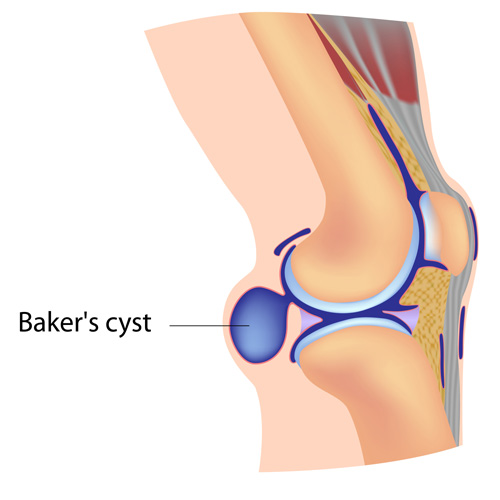
A Baker’s cyst, also called a popliteal cyst, is a fluid-filled swelling that forms behind the knee. It occurs when excess synovial fluid from inside the knee joint moves into a small sac of tissue called the popliteal bursa. This extra fluid may be the result of conditions like osteoarthritis, a meniscus tear, or other internal knee issues.
Sometimes, the cyst develops when part of the joint capsule bulges backward, which can happen alongside cartilage damage. In many cases, there’s no clear history of trauma.
Symptoms to Watch For
A Baker’s cyst can vary in size and discomfort. Some people have no symptoms at all, while others notice:
A soft lump or swelling behind the knee
A feeling of tightness when the knee is straightened or bent fully
Aching or stiffness that may extend into the calf
Sudden calf pain and swelling if the cyst ruptures (which can resemble a deep vein thrombosis)
The swelling often appears between the semimembranosus muscle and the inner portion of the calf muscle (medial gastrocnemius).
Possible Causes
A Baker’s cyst is usually linked to another knee condition, such as:
Osteoarthritis or other degenerative joint changes
Meniscus injuries
Inflammatory arthritis (such as rheumatoid arthritis)
Knee injuries that cause excess fluid production
Because it’s often a secondary problem, addressing the underlying cause is key to long-term improvement.
Diagnosis
In many cases, a physical exam is enough to diagnose a Baker’s cyst. If needed:
Ultrasound can confirm the presence of a cyst and rule out blood clots.
MRI may be used if there’s suspicion of other injuries, such as cartilage or ligament damage.
Other conditions that may mimic a Baker’s cyst include calf muscle strain, fibular head joint dysfunction, blood clots, soft tissue tumors, and superficial phlebitis.
Management and Care
Since the cyst is often a result of another knee problem, the main goal is to treat the underlying issue.
Self-Care and Activity Adjustments
Rest and elevate the leg to reduce swelling
Apply ice to ease discomfort
Avoid activities that aggravate symptoms, such as deep squatting, kneeling, or running
Stretching
Gentle stretching may help reduce muscle tension, especially in:
Hamstrings
Quadriceps
Calf muscles (gastrocnemius)
Ankle dorsiflexors
When Medical Care May Be Needed
Aspiration (draining the fluid) followed by a corticosteroid injection for pain relief
Surgery in cases where the cyst is large, painful, or persistent despite conservative care
In children, Baker’s cysts often go away on their own and rarely need treatment
While a Baker’s cyst can cause discomfort and limit mobility, it is often a secondary issue linked to another knee condition. In many cases, small cysts require no treatment at all, while larger or painful ones can be managed through rest, stretching, and targeted care for the underlying cause. By addressing contributing factors—such as arthritis, cartilage injury, or inflammation—you can improve knee comfort and reduce the likelihood of the cyst returning. And if sudden calf pain and swelling develop, prompt evaluation is essential to rule out more serious concerns.
NEW PATIENTS
Step 1
Call today to schedule your convenient appointment.
Step 2
Pre-register your important health information on your phone or computer to save time.
Step 3
Meet your new doctor for a customized plan and start moving toward your goal!
Discover how we may help!
We are the Memphis area’s top-rated chiropractic group, providing you with gentle chiropractic care, dry needle therapy, exercise therapy, and therapeutic massage.

2845 Summer Oaks Dr, Memphis, TN 38134
(901) 377-2340
Life Shouldn't Hurt!
You Deserve To Feel Great. We Can Help!
Your go-to Chiropractor in Memphis, TN

Richard L. Cole, DC, DACNB, DAIPM, FIACN, FICC
Jeffrey D. Luebbe, DC, CCRD, CCSP
W. Steven Vollmer, DC, DAAPM
Bradford J. Cole, DC, MS, CSCS
J. Colby Poston, DC
Daniel H. Smith, DC
2845 Summer Oaks Dr., Memphis, TN 38134
(901) 377-2340
Monday – Friday:
8:00 AM – 6:00 PM
Saturday :
8:00 AM – 12:00 PM
Walk-ins are Welcome!
© 2025 Cole Pain Therapy Group, All Rights Reserved