Diffuse Idiopathic Skeletal Hyperostosis Treatment: What Helps You Move Better
Diffuse idiopathic skeletal hyperostosis, often called DISH, is a condition where ligaments and tendons around the spine and joints gradually harden. Over time, this can make the spine feel stiff and painful, especially when bending or turning. Although DISH is most common in older adults, anyone can experience its effects.
While DISH cannot be reversed, the right care can reduce stiffness, ease pain, and improve movement. At Cole Pain Therapy Group, our chiropractors in Memphis focus on gentle, movement-based approaches that help patients maintain comfort and flexibility for everyday life.
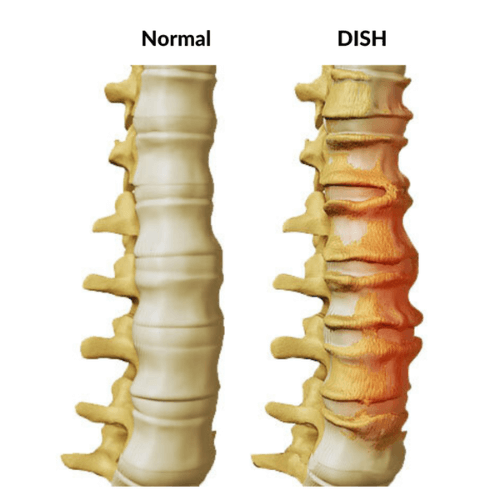
Understanding DISH: What’s Happening in the Body
DISH develops when excess bone growth (calcification) forms along the ligaments of the spine. These bone bridges often appear in the mid to lower back, but they can also affect the neck, hips, and even shoulders.
Common contributing factors include:
Aging and genetic tendencies
Metabolic conditions like diabetes or obesity
Long-term stress on the spine and joints
The condition can lead to limited flexibility, joint stiffness, and pain — especially in the morning or after sitting for long periods. Some patients also notice symptoms spreading to the hips or groin, or experience arm and leg pain if surrounding nerves are irritated.
Symptoms and Early Signs
People with DISH often describe:
Morning stiffness or difficulty bending
Pain along the spine, hips, or shoulders
Trouble looking over the shoulder or twisting the body
A feeling of “tightness” through the back or chest
Limited flexibility that makes daily tasks harder
In some cases, DISH may also cause difficulty swallowing or chest discomfort if bone growth affects the neck area.
Because DISH can look similar to arthritis or other spine issues, it’s important to get an accurate diagnosis.
How DISH Is Diagnosed
Doctors usually identify DISH through X-rays or advanced imaging that show extra bone formation along the spine — known as “flowing ossification.” Radiology helps confirm whether stiffness is from DISH or another spinal condition.
At Cole Pain Therapy Group, your chiropractor may also evaluate your posture, spinal mobility, and daily movement patterns to create a plan that protects joint motion and reduces strain.
Treatment for DISH: Restoring Comfort and Flexibility
Diffuse idiopathic skeletal hyperostosis treatment focuses on improving mobility, managing pain, and preserving joint function. Surgery is rarely needed unless severe bone growth causes nerve compression or swallowing problems.
Most patients benefit from conservative, movement-based care such as:
Gentle chiropractic adjustments and flexion-distraction therapy:
Supported by case research, these techniques reduce stiffness and restore movement in the spine and hips.Targeted exercise therapy:
Regular stretching and strengthening can reduce pain and help maintain mobility. Studies show exercise therapy improves flexibility and lowers disability levels in DISH patients.Heat therapy and posture training:
Using heat before movement and learning to sit or stand with support can ease daily discomfort.Lifestyle and movement coaching:
Encouraging moderate activity helps prevent deconditioning and supports long-term bone health.
These conservative treatments aim to help you move better, not just feel better, and can reduce reliance on medication over time.
Best Exercises for DISH Disease
Gentle exercises help maintain mobility and reduce stiffness. Focus on movements that encourage spinal flexibility and balance:
Pelvic tilts and gentle spinal rotations
Shoulder rolls and chest stretches
Hip mobility exercises and walking routines
Core stability movements (like modified planks and bridges)
Always begin slowly and avoid pushing into pain. Working with a chiropractor or exercise therapist ensures your plan fits your condition and activity level.
For active individuals, this also supports injury prevention and recovery — see our guide to sport injuries for more movement safety tips.
Even though DISH is a long-term condition, it doesn’t have to limit your life. Staying consistent with gentle movement, chiropractic care, and healthy habits can keep your spine mobile and your day-to-day life easier.
You can also explore ways to protect your back in daily routines — from tips to prevent back pain at work to maintaining good sleep hygiene and supporting your bone health through nutrition.
If you ever wonder, can back pain heal on its own?, remember that stiffness linked to DISH improves most with steady, guided care and lifestyle support.
NEW PATIENTS
Step 1
Call today to schedule your convenient appointment.
Step 2
Pre-register your important health information on your phone or computer to save time.
Step 3
Meet your new doctor for a customized plan and start moving toward your goal!
Discover how we may help!
We are the Memphis area’s top-rated chiropractic group, providing you with gentle chiropractic care, dry needle therapy, exercise therapy, and therapeutic massage.

2845 Summer Oaks Dr, Memphis, TN 38134
(901) 377-2340
Life Shouldn't Hurt!
You Deserve To Feel Great. We Can Help!
Your go-to Chiropractor in Memphis, TN

Richard L. Cole, DC, DACNB, DAIPM, FIACN, FICC
Jeffrey D. Luebbe, DC, CCRD, CCSP
W. Steven Vollmer, DC, DAAPM
Bradford J. Cole, DC, MS, CSCS
J. Colby Poston, DC
Daniel H. Smith, DC
2845 Summer Oaks Dr., Memphis, TN 38134
(901) 377-2340
Monday – Friday:
8:00 AM – 6:00 PM
Saturday :
8:00 AM – 12:00 PM
Walk-ins are Welcome!
© 2025 Cole Pain Therapy Group, All Rights Reserved