How To Overcome Patellofemoral Pain Syndrome
Pain around or behind the kneecap can make everyday activities uncomfortable. Stairs, squatting, running, or even getting up from a chair may feel harder than they should. If this sounds familiar, you may be dealing with patellofemoral pain syndrome (PFPS), also known as runner’s knee even if you’re not a runner.
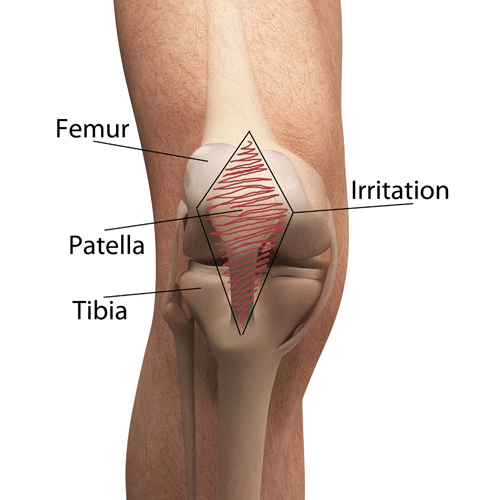
Patellofemoral pain happens when the joint between your kneecap and thigh bone becomes overloaded or irritated. It is one of the most common causes of knee pain in active adults and is especially frequent in women, runners, and athletes who bend and squat repeatedly.
At Cole Pain Therapy Group in Memphis, we help patients from Bartlett, Lakeland, Germantown, Cordova, Arlington, and nearby communities reduce knee pain, improve strength, and get back to the activities they enjoy.
What Is Patellofemoral Pain Syndrome?
Patellofemoral pain syndrome (PFPS) describes pain around or behind the kneecap that is related to how the kneecap and thigh bone share load. It is less about a single torn structure and more about how forces are distributed across the front of the knee.
Key ideas in simple terms:
The kneecap sits in a groove at the end of the thigh bone
Muscles from the hip down to the foot help keep the kneecap centered as you move
If the forces become imbalanced or the joint is overloaded, irritation and pain can develop
Research shows that:
PFPS is one of the most common causes of knee pain in the general population
It often affects young and middle aged adults
Women are affected more often than men
Runners and athletes who jump or squat repeatedly are at higher risk
Instead of thinking of PFPS as “my knee is damaged,” it is more helpful to think of it as “my knee is overloaded or out of balance, and I need to change how it moves and how it is loaded.”
What Triggers Patellofemoral Pain Syndrome?
PFPS usually develops from multiple factors working together.
1. Overuse or rapid increase in activity
Increasing running volume too quickly
Excessive stairs, hill running, or high-rep squats
Repetitive kneeling or deep bending
2. Muscle imbalance or weakness
Weak glutes allow the knee to drift inward
Weak quadriceps change how the kneecap tracks
Core instability affects alignment during movement
3. Tight or overactive tissues
Tight IT band pulling the kneecap laterally
Tight hamstrings, calves, or hip flexors altering knee mechanics
4. Foot and ankle issues
Flat feet or excessive pronation
Limited ankle dorsiflexion during squats and running
5. Movement patterns and fear of movement
Knee collapsing inward during tasks
Guarding or hesitation due to pain
What Does Patellofemoral Pain Feel Like?
Most people with PFPS describe:
Dull ache around or behind the kneecap
Pain with squatting, running, jumping, or kneeling
Pain when sitting for long periods
Pain walking downstairs or downhill
Popping, grinding, or the knee “giving way”
Symptoms often build gradually with increased activity.
How Do You Fix Patellofemoral Pain?
There is no single magic exercise. The best results come from a combination of education, load modification, targeted strengthening, and hands-on treatment.
At Cole Pain Therapy Group, treatment commonly includes:
1. Education and load management
Modify (not stop) aggravating activities
Adjust running volume, surface, and speed
Learn which movements are safe and which need modification
Understanding your condition reduces fear and improves outcomes.
2. Strengthening the hips and knees
Research strongly supports hip + knee strengthening for PFPS.
Common exercises include:
Glute strengthening (bridges, clamshells, band walks)
Quadriceps strengthening in comfortable ranges
Closed-chain work like squats, step-downs, and lunges as able
Better strength improves knee alignment and kneecap tracking.
3. Improving mobility and soft tissue flexibility
This may include stretching or soft tissue work for:
IT band and lateral thigh
Hamstrings and calves
Hip flexors
Instrument-assisted techniques may also help reduce tension.
4. Footwear and orthotic support
Helpful for patients with:
Severe pronation
Limited ankle mobility
Running-related pain
Runners may also benefit from small adjustments to stride or cadence.
5. Taping or bracing
Short-term tools that can:
Reduce pain during exercise
Improve confidence
Support proper tracking
These work best alongside strengthening.
6. Manual therapy
To improve mobility of:
Hip
Knee joint
Ankle and foot
This can reduce compensations and improve overall movement.
7. Gait and movement retraining
Especially for runners and athletes:
Slight step-rate increase
Reducing knee valgus collapse
Improving hip mechanics
These changes help translate rehab gains into real-world movement.
How Long Does Patellofemoral Pain Syndrome Last?
Recovery varies:
Mild cases: 6–8 weeks
Moderate or chronic cases: several months
Cases with significant strength deficits or long-term compensation may take longer
The key is consistent, progressive loading not complete rest.
What Exercises Should I Avoid With PFPS?
You may need to modify or temporarily limit:
Deep squats
Poor-form lunges
Running downhill
High-impact jumping
Box jumps
High-rep stairs
Instead of avoiding activity altogether, your clinician will adjust depth, range of motion, speed, and technique to keep you moving safely.
At Cole Pain Therapy Group, we take a complete approach to patellofemoral pain syndrome. Your care may include:
A detailed biomechanical assessment
Individualized exercise programming
Hands-on treatment to reduce strain and restore motion
Running and movement coaching
Strategies to reduce fear and improve confidence
Patients across Memphis, Bartlett, Lakeland, Germantown, Cordova, and Arlington choose us for personalized, evidence-informed care that gets real results.
You do not have to live around your knee pain. With the right guidance, you can overcome patellofemoral pain and return to the activities that matter most.
Related Reads
NEW PATIENTS
Step 1
Call today to schedule your convenient appointment.
Step 2
Pre-register your important health information on your phone or computer to save time.
Step 3
Meet your new doctor for a customized plan and start moving toward your goal!
Discover how we may help!
We are the Memphis area’s top-rated chiropractic group, providing you with gentle chiropractic care, dry needle therapy, exercise therapy, and therapeutic massage.

2845 Summer Oaks Dr, Memphis, TN 38134
(901) 377-2340
Life Shouldn't Hurt!
You Deserve To Feel Great. We Can Help!
Your go-to Chiropractor in Memphis, TN

Richard L. Cole, DC, DACNB, DAIPM, FIACN, FICC
Jeffrey D. Luebbe, DC, CCRD, CCSP
W. Steven Vollmer, DC, DAAPM
Bradford J. Cole, DC, MS, CSCS
J. Colby Poston, DC
Daniel H. Smith, DC
2845 Summer Oaks Dr., Memphis, TN 38134
(901) 377-2340
Monday – Friday:
8:00 AM – 6:00 PM
Saturday :
8:00 AM – 12:00 PM
Walk-ins are Welcome!
© 2025 Cole Pain Therapy Group, All Rights Reserved