How to Spot a TMJ Problem: 5 Common Signs You Need to Know
The temporomandibular joints (TMJ) connect your lower jaw to your skull and work with the surrounding muscles to make chewing, speaking, yawning, and other movements possible. Problems involving this system are known as temporomandibular disorders (TMD). While jaw pain is a familiar warning sign, symptoms can also appear in the face, head, neck, or shoulders, sometimes making the condition difficult to recognize.
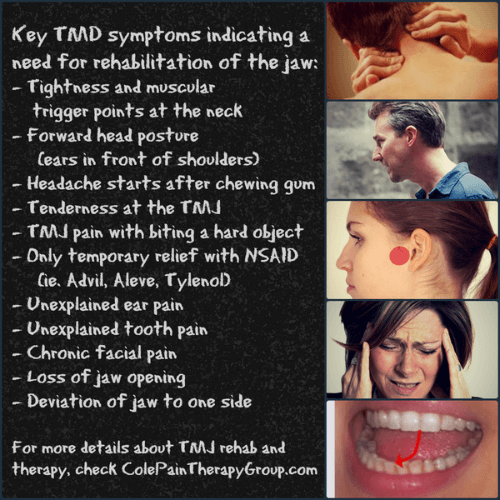
Five common signs of a TMJ problem include persistent face, neck, or shoulder pain; limited mouth opening; painful clicking or locking; a noticeable change in how the upper and lower teeth fit together; and unexplained headaches, earaches, toothaches, dizziness, hearing changes, or difficulty swallowing. An occasional painless click or pop does not necessarily indicate a problem, but discomfort, restricted motion, locking, or changes in your normal bite deserve closer attention.
One simple way to observe mobility is to see whether approximately three vertically stacked fingers can comfortably fit between the upper and lower teeth when your mouth is fully open. This is only a general reference because normal range varies between individuals. More important signs include pain with opening, significant restriction, or consistent deviation of the jaw to one side.
Some symptoms occur because of referred pain, where discomfort is experienced away from the structure causing it. This may explain why someone experiences an earache or toothache even when an examination finds no problem with the ear or tooth. Since the jaw also works closely with muscles and joints in the neck, looking beyond the painful area can be important when symptoms persist.
What is the best treatment for TMJ?
The best treatment depends on the specific problem identified during an examination. Conservative options may include manual therapy, targeted stretching or strengthening, and modifications to activities that place excessive stress on the jaw. Postural or ergonomic changes may also be useful, while relaxation techniques can help when stress increases muscular tension.
Can you live a normal life with TMJ?
Yes. Many people with TMD are able to continue their normal activities, especially when the condition is identified and appropriately managed. The goal is to maintain comfortable movement and minimize activities that repeatedly aggravate the area. Persistent locking, increasing discomfort, or significant difficulty using the jaw should be professionally evaluated.
Can TMJ disorder be temporary?
Yes. Some episodes are temporary and settle as irritation or overuse improves. Others can become persistent when the underlying problem continues. Symptoms that repeatedly return, progressively worsen, or begin interfering with daily life are a good reason to seek an evaluation rather than waiting for them to resolve on their own.
At Cole Pain Therapy Group, our doctors assess the relationship between your jaw, surrounding muscles, and cervical mechanics to identify factors that may be interfering with comfortable movement. Based on those findings, we can develop an individualized conservative care plan aimed at improving function and addressing the specific problems discovered during your examination.
Related Reads
NEW PATIENTS
Step 1
Call today to schedule your convenient appointment.
Step 2
Pre-register your important health information on your phone or computer to save time.
Step 3
Meet your new doctor for a customized plan and start moving toward your goal!
Discover how we may help!
We are the Memphis area’s top-rated chiropractic group, providing you with gentle chiropractic care, dry needle therapy, exercise therapy, and therapeutic massage.

2845 Summer Oaks Dr, Memphis, TN 38134
(901) 377-2340
Life Shouldn't Hurt!
You Deserve To Feel Great. We Can Help!
Your go-to Chiropractor in Memphis, TN

Richard L. Cole, DC, DACNB, DAIPM, FIACN, FICC
Jeffrey D. Luebbe, DC, CCRD, CCSP
W. Steven Vollmer, DC, DAAPM
Bradford J. Cole, DC, MS, CSCS
J. Colby Poston, DC
Daniel H. Smith, DC
2845 Summer Oaks Dr., Memphis, TN 38134
(901) 377-2340
Monday – Friday:
8:00 AM – 6:00 PM
Saturday :
8:00 AM – 12:00 PM
Walk-ins are Welcome!
© 2025 Cole Pain Therapy Group, All Rights Reserved