Coping with Occipital Headaches During Exercise: What You Need to Know
Occipital headaches that develop during or after exercise can make it difficult to stay active and enjoy your workouts. These headaches typically begin at the base of the skull and may spread across the back or top of the head and sometimes behind the eyes. While strenuous activities such as weightlifting, running, or overhead exercises may trigger symptoms, the headache is often related to dysfunction in the upper cervical spine rather than exercise itself.
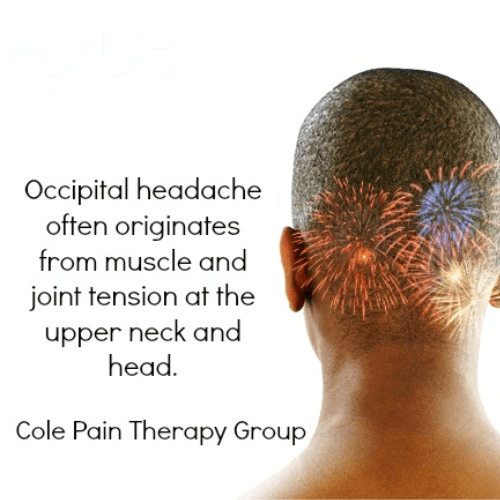
The occipital region contains the suboccipital muscles, trapezius, and other muscles responsible for stabilizing and controlling head movement during physical activity. When these muscles become fatigued, tight, or overworked, they can place increased stress on the greater occipital nerve, surrounding joints, and connective tissues at the base of the skull. Poor posture, improper lifting mechanics, forward head posture, muscle imbalances, repetitive overhead movements, and limited neck mobility can all contribute to pain that radiates from the neck into the head.
Although many occipital headaches during exercise are caused by musculoskeletal problems, similar symptoms may also occur with cervicogenic headaches, occipital neuralgia, primary exertional headaches, or other neurological conditions. Identifying the underlying source of pain is essential because treatment varies depending on the cause. A comprehensive evaluation helps determine whether your symptoms originate from the muscles and joints of the upper cervical spine or whether another condition requires a different treatment approach.
How do you treat occipital headaches during exercise?
Treatment is most effective when it targets the underlying cause of the headache rather than simply relieving the pain. Conservative care may include improving neck mobility, reducing muscle tension, correcting movement patterns, strengthening supporting muscles, and addressing biomechanical factors that contribute to recurring headaches during exercise.
Is it normal to get headaches during exercise?
An occasional headache during intense physical activity can occur, but recurring exercise-related headaches are not considered normal. Repeated headaches during or after exercise should be evaluated to determine whether they are caused by muscle tension, upper cervical dysfunction, exertional headaches, or another underlying condition.
How do you release an occipital headache?
Temporary relief may come from resting, gently stretching the neck, improving posture, or applying heat or ice to reduce muscle tension. However, if headaches continue to occur during or after exercise, identifying and treating the underlying mechanical problem is the best way to achieve longer-term relief.
Why am I getting occipital headaches?
Occipital headaches often develop when muscles, joints, or nerves at the base of the skull become irritated during physical activity. Factors such as muscle fatigue, poor lifting mechanics, repetitive overhead movements, limited neck mobility, and underlying cervical dysfunction can all contribute to pain that radiates from the neck into the head. An accurate diagnosis helps determine the most appropriate treatment.
At Cole Pain Therapy Group, our doctors of chiropractic perform a comprehensive evaluation to determine whether your headaches originate from the upper cervical spine or another underlying condition. Based on your diagnosis, your personalized treatment plan may include chiropractic adjustments, cervical spine mobilization, trigger point dry needling, therapeutic exercise, rehabilitation, postural correction, and other conservative treatments designed to improve neck mobility, reduce muscle tension, restore normal movement, and help you return to exercise with greater comfort while reducing the risk of recurring headaches.
Related Reads
NEW PATIENTS
Step 1
Call today to schedule your convenient appointment.
Step 2
Pre-register your important health information on your phone or computer to save time.
Step 3
Meet your new doctor for a customized plan and start moving toward your goal!
Discover how we may help!
We are the Memphis area’s top-rated chiropractic group, providing you with gentle chiropractic care, dry needle therapy, exercise therapy, and therapeutic massage.

2845 Summer Oaks Dr, Memphis, TN 38134
(901) 377-2340
Life Shouldn't Hurt!
You Deserve To Feel Great. We Can Help!
Your go-to Chiropractor in Memphis, TN

Richard L. Cole, DC, DACNB, DAIPM, FIACN, FICC
Jeffrey D. Luebbe, DC, CCRD, CCSP
W. Steven Vollmer, DC, DAAPM
Bradford J. Cole, DC, MS, CSCS
J. Colby Poston, DC
Daniel H. Smith, DC
2845 Summer Oaks Dr., Memphis, TN 38134
(901) 377-2340
Monday – Friday:
8:00 AM – 6:00 PM
Saturday :
8:00 AM – 12:00 PM
Walk-ins are Welcome!
© 2025 Cole Pain Therapy Group, All Rights Reserved