Everything You Need To Know About Ischiofemoral Impingement And Its Impact On Hip Function
Ischiofemoral impingement (IFI) is a condition that causes deep, chronic pain in the buttocks. It happens when the quadratus femoris muscle (a small muscle near your hip) gets squeezed between the ischium (part of your pelvis) and the lesser trochanter (a part of your thigh bone). This compression can lead to irritation, swelling, and even injury to the muscle and surrounding tissues.
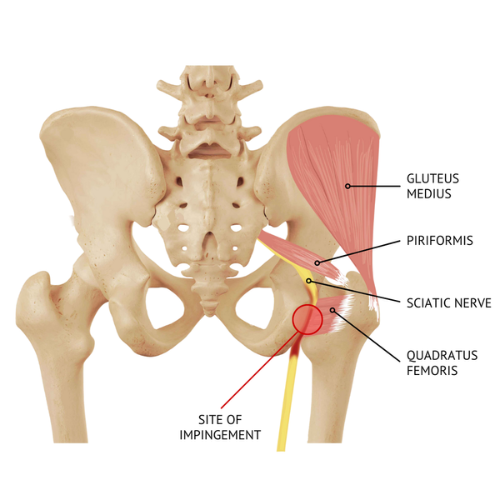
What Causes Ischiofemoral Impingement?
The space where the quadratus femoris muscle sits—called the ischiofemoral space—can become narrower due to several reasons:
Bone Structure: Some people have natural differences in their bones that make the ischiofemoral space smaller. For example, a larger femur (thigh bone) or certain bone conditions can contribute to this narrowing.
Injuries or Conditions: Things like hip arthritis, fractures, or previous hip surgeries can also shrink this space and cause impingement.
Muscle Imbalance: Weak muscles around the hip, especially the hip abductors (the muscles that move your leg out to the side), can lead to uncontrolled movement of the thigh. This can make the bones in the hip area get too close together, leading to impingement. Poor posture, like having a tilted pelvis, can also contribute to this.
How Does It Feel?
The main symptom of ischiofemoral impingement is a dull or aching pain in the buttocks. The pain can slowly get worse over time and may spread to other areas like the inner thigh, groin, or lower back. People with this condition often have pain when sitting for a long time, standing, or walking with a long stride.
Patients might notice that they can’t fully extend their hip, so they may walk with a shorter stride or shift to a different sitting position to ease the discomfort. There can also be a feeling of snapping or grinding in the hip when moving.
How Do Doctors Diagnose It?
To diagnose ischiofemoral impingement, doctors will ask about your symptoms and perform a physical exam. They may press on certain areas around your hip to see where the pain is coming from. They might also ask you to move your hip in different ways to see if it makes the pain worse.
There are special tests, like the long-stride walking test and the ischiofemoral impingement test, which can help doctors confirm if you have the condition. Sometimes, doctors might use imaging tests, such as X-rays or MRIs, to look for any changes in the bones or muscles around the hip.
Treatment for Ischiofemoral Impingement
If you have ischiofemoral impingement, there are treatments that can help you feel better:
Rest and Activity Modification: Taking breaks from activities that make the pain worse, like long walking sessions or running, is important. Avoiding sitting for long periods can also help.
Pain Relief: Over-the-counter pain relievers, like ibuprofen, can reduce swelling and ease the pain. For more severe cases, doctors may give injections to provide temporary relief.
Physical Therapy: Strengthening the muscles around the hip—especially the hip abductors—can help reduce the strain on the ischiofemoral space. Exercises like clamshells, side planks, and lunges can help improve muscle strength and stability. Stretching and massaging tight muscles, like the quadratus femoris and piriformis, can also help ease discomfort.
Posture and Foot Support: Sometimes, problems with your posture or the way your feet move can make ischiofemoral impingement worse. Exercises to improve posture and using custom foot supports (like orthotics) can help correct these issues.
Surgery: If conservative treatments don’t work, surgery may be necessary. In rare cases, doctors may recommend surgery to remove the bone causing the impingement or to repair the affected muscles.
Ischiofemoral impingement is a condition that can cause ongoing pain and discomfort in the hip and buttock area. However, with early treatment, you can reduce symptoms and improve your hip function. If you notice any signs of pain in the hip or buttocks, it’s important to see a healthcare provider to get a proper diagnosis and start treatment. Strengthening exercises, stretching, and making some lifestyle changes can make a big difference in managing this condition.
NEW PATIENTS
Step 1
Call today to schedule your convenient appointment.
Step 2
Pre-register your important health information on your phone or computer to save time.
Step 3
Meet your new doctor for a customized plan and start moving toward your goal!
Discover how we may help!
We are the Memphis area’s top-rated chiropractic group, providing you with gentle chiropractic care, dry needle therapy, exercise therapy, and therapeutic massage.

2845 Summer Oaks Dr, Memphis, TN 38134
(901) 377-2340
Life Shouldn't Hurt!
You Deserve To Feel Great. We Can Help!
Your go-to Chiropractor in Memphis, TN

Richard L. Cole, DC, DACNB, DAIPM, FIACN, FICC
Jeffrey D. Luebbe, DC, CCRD, CCSP
W. Steven Vollmer, DC, DAAPM
Bradford J. Cole, DC, MS, CSCS
J. Colby Poston, DC
Daniel H. Smith, DC
2845 Summer Oaks Dr., Memphis, TN 38134
(901) 377-2340
Monday – Friday:
8:00 AM – 6:00 PM
Saturday :
8:00 AM – 12:00 PM
Walk-ins are Welcome!
© 2025 Cole Pain Therapy Group, All Rights Reserved