Everything You Need to Know About Little League Elbow (LLE) and How to Prevent It
Little League Elbow (LLE) is a common condition among young athletes, especially those who play sports that require throwing. Whether it’s baseball, softball, or any sport that involves overhead motions, LLE is something that coaches and parents should be aware of. In this guide, we will break down what LLE is, how it develops, the signs to watch out for, and, most importantly, how to prevent and treat it.
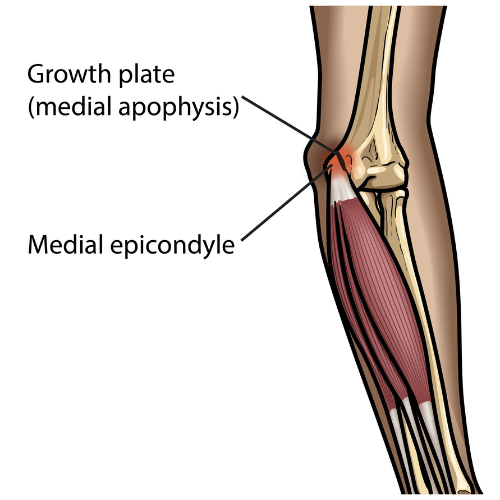
What is Little League Elbow (LLE)?
Little League Elbow refers to an overuse injury that affects the medial (inside) part of the elbow in children and adolescents. The condition is typically caused by repetitive throwing motions, especially in baseball players. When kids throw too often or with improper technique, it can lead to stress on the elbow, causing pain and damage to the soft tissues and bones.
The primary culprit for LLE is valgus overload, a condition where the elbow joint experiences excessive stress. This repetitive motion can result in irritation or injury to the ligaments, tendons, and cartilage in the elbow. The medial collateral ligament (MCL), which stabilizes the elbow, is especially vulnerable.
Who Is at Risk?
While any young athlete can develop LLE, it is most common in baseball pitchers. Pitchers, especially those who throw more often, are at a higher risk because their arm is constantly exposed to the stresses of throwing. It’s also common in other sports like Pickleball, tennis, and gymnastics, where similar overuse motions are involved.
The risk is greater for more skilled players, as they tend to pitch more often, leading to higher pitch counts and prolonged play. Interestingly, players who specialize in a single sport year-round—without adequate rest or recovery time—are at an even higher risk for injury.
What Are the Symptoms of Little League Elbow?
If your child is an athlete, it’s important to be aware of the symptoms of Little League Elbow. Early symptoms include:
Pain: The most common sign of LLE is pain on the inner side of the elbow, especially during or after throwing.
Swelling: The area around the elbow may be swollen, particularly after intense use.
Stiffness: Difficulty fully extending the arm can occur, and athletes might notice that the elbow feels stiff, especially after practice or games.
Reduced Performance: The player may not complain of pain directly but might express frustration about a drop in throwing velocity, accuracy, or distance. This is often a subtle indicator that the elbow is under stress.
How Is LLE Diagnosed?
When a child presents with symptoms of LLE, a healthcare provider will begin with a physical exam. The clinician may test the elbow’s range of motion and check for tenderness over the medial epicondyle, the bony prominence on the inner elbow.
Some tests that may be performed include:
Resisted wrist flexion: The doctor will ask the patient to move their wrist against resistance. Pain during this movement is a key indicator of LLE.
Golfer’s Elbow Test: This is specifically designed to assess pain in the inner elbow and can help confirm the diagnosis.
Valgus Stress Tests: These tests check for instability or laxity in the MCL, which could suggest more severe injury.
In some cases, radiographs (X-rays) or MRI scans may be ordered to rule out other conditions and get a closer look at the bones and tissues of the elbow.
Treatment for Little League Elbow
The good news is that Little League Elbow is treatable, especially when caught early. The first and most important step is rest. The young athlete should stop throwing for several weeks to allow the elbow to heal. Continuing to throw can worsen the condition and lead to long-term damage.
Here’s a breakdown of treatment options:
1. Rest & Recovery
Cease throwing activities: This is essential for healing and should be done for at least 4-6 weeks. This might feel like a challenge, but it’s necessary to give the elbow time to recover.
Ice and Anti-inflammatory medication: Ice can help reduce swelling, while anti-inflammatory drugs (like ibuprofen) can alleviate pain and inflammation.
2. Rehabilitation Exercises
Range of motion exercises: Once the pain begins to subside, the athlete can start gentle stretching and range-of-motion exercises to regain flexibility.
Strengthening: Once the range of motion is restored, strengthening exercises for the forearm and elbow muscles should begin. Isotonic strengthening with lower resistance and high repetition can help build the muscles back up safely.
3. Addressing the Kinetic Chain
Remember, Little League Elbow doesn’t happen in isolation—it’s often linked to improper mechanics in the shoulder, trunk, or legs. The throwing arm functions like a catapult where the core and shoulders act as the foundation. Without a strong base, the elbow takes more stress than it should. So, strengthening exercises for the shoulder (like scapular stabilization) and core (like bridges, lunges, and clams) are also critical.
4. Gradual Return to Throwing
Once the elbow pain is gone, and strength is restored, the athlete can slowly return to throwing. Start slow, with no more than 10% increase in intensity or volume per session. Monitoring pitch count and ensuring adequate rest between games and practices are crucial in preventing future injuries.
Prevention Tips for Little League Elbow
Preventing Little League Elbow is all about avoiding overuse and prioritizing recovery. Here are some practical tips to keep your young athlete safe:
Follow Pitch Limits: Stick to age-specific guidelines for pitch count and avoid throwing multiple games in a single day.
Cross-training: Encourage your child to participate in other sports to avoid overuse of the same muscles and joints. Specializing in one sport too early increases the risk of injury.
Proper Throwing Mechanics: Coaches should focus on teaching proper form, so the throwing mechanics don’t put unnecessary strain on the elbow.
Strengthen the Body: Building strength in the shoulder, core, and legs can reduce the strain on the elbow and improve overall throwing mechanics.
If the symptoms of Little League Elbow don’t improve with rest, or if the athlete experiences significant pain, swelling, or trouble moving the elbow, it’s time to see a doctor. In rare cases, if conservative treatment doesn’t work, surgery may be necessary, but this is uncommon.
Key Takeaways
Little League Elbow is a preventable overuse injury that primarily affects young throwers.
Early rest, rehabilitation, and proper mechanics are the keys to treatment and recovery.
Managing pitch count and rest is crucial for young pitchers to avoid injuries.
A well-rounded strengthening program for the shoulders, core, and legs is essential to preventing elbow injuries.
NEW PATIENTS
Step 1
Call today to schedule your convenient appointment.
Step 2
Pre-register your important health information on your phone or computer to save time.
Step 3
Meet your new doctor for a customized plan and start moving toward your goal!
Discover how we may help!
We are the Memphis area’s top-rated chiropractic group, providing you with gentle chiropractic care, dry needle therapy, exercise therapy, and therapeutic massage.

2845 Summer Oaks Dr, Memphis, TN 38134
(901) 377-2340
Life Shouldn't Hurt!
You Deserve To Feel Great. We Can Help!
Your go-to Chiropractor in Memphis, TN

Richard L. Cole, DC, DACNB, DAIPM, FIACN, FICC
Jeffrey D. Luebbe, DC, CCRD, CCSP
W. Steven Vollmer, DC, DAAPM
Bradford J. Cole, DC, MS, CSCS
J. Colby Poston, DC
Daniel H. Smith, DC
2845 Summer Oaks Dr., Memphis, TN 38134
(901) 377-2340
Monday – Friday:
8:00 AM – 6:00 PM
Saturday :
8:00 AM – 12:00 PM
Walk-ins are Welcome!
© 2025 Cole Pain Therapy Group, All Rights Reserved