Gluteal Tendinopathy: What You Need to Know About Causes, Diagnosis, and Recovery
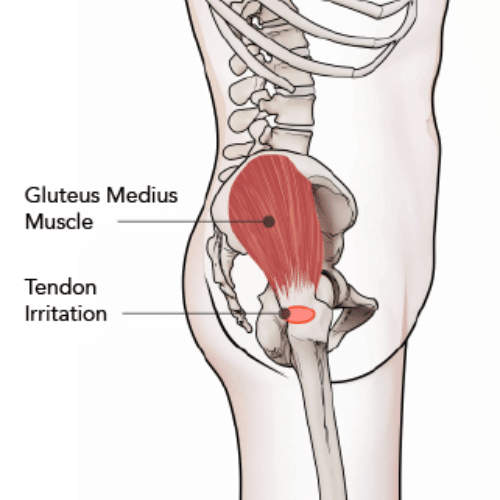
Gluteal tendinopathy (GT) is one of the most common causes of lateral hip pain, especially in adults over 40. It involves the tendons of the gluteus medius and gluteus minimus muscles, which play essential roles in hip stability and movement. While it’s often confused with other conditions like trochanteric bursitis, GT is distinct in both its causes and treatment. Understanding the symptoms, causes, and recovery options is crucial for managing this condition effectively.
What Causes Gluteal Tendinopathy?
Gluteal tendinopathy develops from repetitive overuse or mechanical stress on the gluteus medius and minimus tendons. The tendons can become inflamed, degenerate, or tear, resulting in pain and discomfort. Common causes include:
Excessive Load and Overuse: Repeated high-impact activities like running, climbing stairs, or even prolonged sitting can stress the tendons.
Poor Posture and Biomechanical Deficits: Issues like leg length discrepancy or pelvic imbalances (e.g., forward head posture or scoliosis) can increase the risk of GT by altering the mechanics of the hip.
Age and Gender: GT is more prevalent in individuals aged 50-70, and women are affected up to four times more than men. Changes in tendon elasticity as we age contribute to the condition.
Obesity: Excess weight can exacerbate the strain on the gluteal tendons, leading to inflammation and pain.
Chronic Conditions: Pre-existing conditions like femoroacetabular impingement (FAI) or Iliotibial Band Syndrome can also contribute to gluteal tendinopathy by increasing friction and stress on the tendons.
Symptoms of Gluteal Tendinopathy
Patients with gluteal tendinopathy often experience:
Lateral hip pain: This pain is typically located around the greater trochanter and may radiate down the outer thigh.
Pain when moving: Walking, climbing stairs, or standing on one leg may exacerbate the discomfort.
Nighttime pain: Many individuals report pain that worsens at night, especially when sleeping on the affected side.
Tenderness: Pressing on the greater trochanter usually results in sharp pain, a key sign of GT.
Limited hip range of motion: Certain movements, particularly hip adduction or rotation, may be painful or restricted.
Diagnosing Gluteal Tendinopathy
Diagnosing GT typically involves a combination of clinical assessment and imaging:
Clinical Tests:
The Hip Lag Sign: This test helps detect tendon injury, with high sensitivity and specificity for GT.
The 30-second Single Leg Stance Test: A positive result, where pain occurs within 30 seconds of standing on one leg, is strongly indicative of GT.
Resisted External De-rotation Test: This test is useful for detecting tears in the gluteal tendon fibers.
Modified Ober’s Test: Used to identify tightness in the iliotibial band and related structures.
Imaging:
MRI: Often used to confirm the diagnosis, MRI can reveal tendon tears, inflammation, or degenerative changes.
Ultrasound: Offers higher sensitivity and can be used for dynamic evaluation of the tendons.
Treatment and Recovery
Recovery from gluteal tendinopathy involves a multi-faceted approach, focusing on reducing pain, improving tendon function, and preventing further damage.
1. Rest and Activity Modification
The first step in managing GT is to reduce the activities that exacerbate pain. Avoiding high-impact exercises, like running on a sloped surface or doing plyometrics, will help reduce strain on the gluteal tendons.
2. Physical Therapy
Physical therapy plays a key role in treating gluteal tendinopathy. A combination of the following treatments is typically used:
Strengthening Exercises: Focused on the gluteus medius and minimus, exercises like single-leg squats, bridges, and band walks are effective.
Eccentric Loading: Gradually increasing load on the tendons helps to stimulate healing.
Stretching: Stretching the iliotibial band (ITB), hip flexors, and quadriceps can alleviate strain on the gluteal tendons.
Postural Correction: Addressing any dysfunctional breathing or posture issues, such as upper crossed syndrome, can prevent further strain on the hip area.
3. Injections and Medications
Corticosteroid Injections: While effective for short-term pain relief, these are typically not recommended for long-term management due to their potential to weaken tendons.
Platelet-Rich Plasma (PRP) Therapy: This can promote healing of the tendon and is an option for chronic or severe cases.
NSAIDs: Over-the-counter medications like ibuprofen can help reduce inflammation and manage pain.
4. Surgery
If conservative treatments fail, surgery may be necessary. The options may include tendon repair or debridement, which are typically reserved for severe cases.
Preventing Gluteal Tendinopathy
To prevent future flare-ups of gluteal tendinopathy, consider the following strategies:
Proper Footwear: Wearing shoes that provide good arch support can help correct leg length discrepancy and prevent additional stress on the hips.
Regular Strengthening: Incorporating hip strengthening exercises, particularly for the glutes and core, into your workout routine can help keep the muscles and tendons healthy.
Weight Management: Maintaining a healthy weight can reduce the strain on your gluteal tendons and improve overall joint function.
Ergonomics: If you sit for long periods, make sure your posture is correct, and take regular breaks to stand and stretch.
Gluteal tendinopathy is a painful condition that can significantly affect your daily activities. Early diagnosis and appropriate treatment are crucial for recovery. By strengthening the hip muscles, correcting poor posture, and avoiding aggravating activities, you can manage and prevent this condition. If you’re experiencing persistent hip pain, it’s important to seek medical advice from your referring physician or a chiropractor, who can help guide you through a comprehensive treatment plan tailored to your needs.
NEW PATIENTS
Step 1
Call today to schedule your convenient appointment.
Step 2
Pre-register your important health information on your phone or computer to save time.
Step 3
Meet your new doctor for a customized plan and start moving toward your goal!
Discover how we may help!
We are the Memphis area’s top-rated chiropractic group, providing you with gentle chiropractic care, dry needle therapy, exercise therapy, and therapeutic massage.

2845 Summer Oaks Dr, Memphis, TN 38134
(901) 377-2340
Life Shouldn't Hurt!
You Deserve To Feel Great. We Can Help!
Your go-to Chiropractor in Memphis, TN

Richard L. Cole, DC, DACNB, DAIPM, FIACN, FICC
Jeffrey D. Luebbe, DC, CCRD, CCSP
W. Steven Vollmer, DC, DAAPM
Bradford J. Cole, DC, MS, CSCS
J. Colby Poston, DC
Daniel H. Smith, DC
2845 Summer Oaks Dr., Memphis, TN 38134
(901) 377-2340
Monday – Friday:
8:00 AM – 6:00 PM
Saturday :
8:00 AM – 12:00 PM
Walk-ins are Welcome!
© 2025 Cole Pain Therapy Group, All Rights Reserved