How to Optimize Your Child's Computer Workspace for Better Health
Computers are an important part of modern education, but many children spend hours using desks, chairs, and computer workstations designed for adults rather than growing bodies. Poor computer ergonomics can contribute to poor posture, repetitive strain injuries (RSIs), eye strain, and pain affecting the hands, wrists, neck, shoulders, and back. Over time, these habits may place unnecessary stress on a child’s developing musculoskeletal system.
Research from Cornell University found that 40% of elementary school children used computer workstations that placed them at significant postural risk, while the remaining 60% still had workstation setups that raised some level of concern. According to the American Chiropractic Association (ACA), teaching children proper computer ergonomics is just as important as encouraging healthy habits in sports and other daily activities. Small adjustments to a child’s workstation, combined with regular movement and healthy screen habits, can help reduce strain today while supporting healthier posture and movement as they grow.
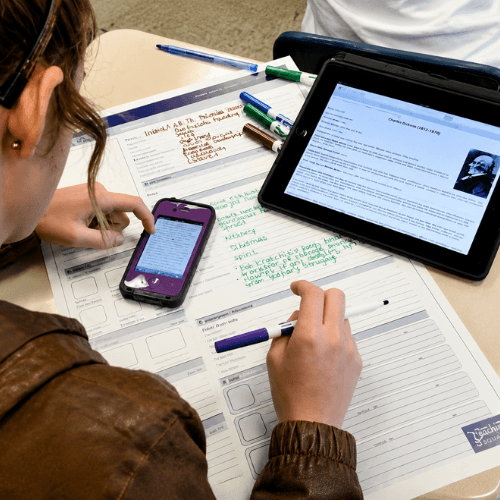
Tips to Optimize Your Child's Computer Workspace
Adjust the workstation
If children and adults share the same computer, adjust the chair, monitor, keyboard, and mouse each time so the workstation fits your child’s body.
Position the monitor
Keep the top of the screen at or slightly below eye level to encourage a neutral head and neck position and reduce forward head posture.
Choose a supportive chair
Use a chair that supports the lower back and allows the elbows to rest comfortably while typing. If needed, use a footrest or sturdy box so both feet remain supported.
Keep wrists neutral
Encourage straight wrists while typing, and position the mouse close to the keyboard to avoid excessive reaching.
Reduce eye strain
Use adequate lighting, minimize screen glare, and consider an anti-glare filter if needed.
Take regular movement breaks
Encourage children to stand, stretch, and move every 30 to 60 minutes. Simple neck stretches, wrist circles, finger stretches, and gentle trunk rotations can help reduce muscle fatigue.
Stay hydrated
Encourage children to drink water throughout the day to support healthy muscle function and reduce fatigue during prolonged computer use.
Promote healthy habits at school
Support ergonomic education and encourage adjustable computer workstations whenever they are available.
What are the benefits of computers for younger children?
Computers help children develop digital literacy, creativity, communication, research skills, and problem-solving abilities while supporting classroom learning. Pairing technology with healthy ergonomic habits helps children enjoy these benefits while reducing the risk of computer-related discomfort.
How can children use technology in a healthy and safe way?
Children should use a workstation that fits their size, maintain good posture, take regular movement breaks, balance screen time with physical activity, stay hydrated, and get enough sleep.
How can you reduce computer-related health problems?
How much screen time is healthy for a child?
The appropriate amount of screen time depends on a child’s age, educational needs, and daily routine. Parents should focus on balancing educational and recreational screen time with physical activity, sleep, and regular breaks from prolonged sitting.
At Cole Pain Therapy Group, our doctors of chiropractic evaluate children and adolescents experiencing neck pain, headaches, shoulder pain, wrist pain, back pain, or other musculoskeletal symptoms related to prolonged computer use and poor posture. Based on your child’s needs, treatment may include chiropractic care, therapeutic exercise, postural education, ergonomic recommendations, and other conservative therapies to improve comfort, support healthy development, and help prevent future injuries.
Related Reads
NEW PATIENTS
Step 1
Call today to schedule your convenient appointment.
Step 2
Pre-register your important health information on your phone or computer to save time.
Step 3
Meet your new doctor for a customized plan and start moving toward your goal!
Discover how we may help!
We are the Memphis area’s top-rated chiropractic group, providing you with gentle chiropractic care, dry needle therapy, exercise therapy, and therapeutic massage.

2845 Summer Oaks Dr, Memphis, TN 38134
(901) 377-2340
Life Shouldn't Hurt!
You Deserve To Feel Great. We Can Help!
Your go-to Chiropractor in Memphis, TN

Richard L. Cole, DC, DACNB, DAIPM, FIACN, FICC
Jeffrey D. Luebbe, DC, CCRD, CCSP
W. Steven Vollmer, DC, DAAPM
Bradford J. Cole, DC, MS, CSCS
J. Colby Poston, DC
Daniel H. Smith, DC
2845 Summer Oaks Dr., Memphis, TN 38134
(901) 377-2340
Monday – Friday:
8:00 AM – 6:00 PM
Saturday :
8:00 AM – 12:00 PM
Walk-ins are Welcome!
© 2025 Cole Pain Therapy Group, All Rights Reserved