Everything You Need to Know About Carpal Tunnel Syndrome: Diagnosis and Solutions
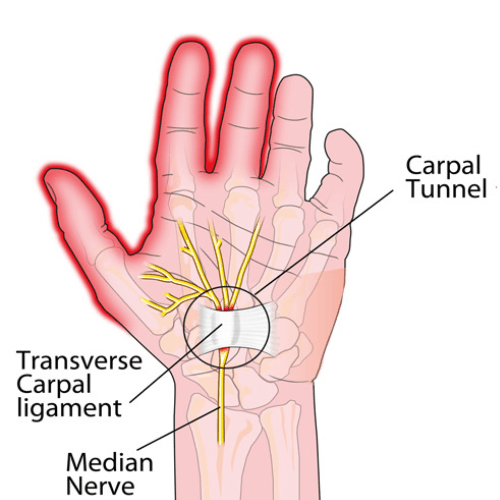
Carpal tunnel syndrome (CTS) is the most common peripheral nerve entrapment syndrome, occurring when the median nerve becomes compressed as it passes through the carpal tunnel, a narrow passageway in the wrist formed by the wrist bones and the transverse carpal ligament. The median nerve provides sensation to the thumb, index finger, middle finger, and part of the ring finger while helping control several muscles at the base of the thumb. When the nerve is compressed, it can cause pain, numbness, tingling, weakness, and reduced hand function that often develop gradually over time.
Many people first notice symptoms while typing, using hand tools, driving, gripping objects, or performing other repetitive hand movements. Symptoms frequently become worse at night because sleeping with the wrist bent can increase pressure within the carpal tunnel. Some people wake up with their hand “asleep,” shake it to relieve the tingling, or begin dropping objects because of reduced grip strength. As the condition progresses, prolonged nerve compression may weaken the thenar muscles at the base of the thumb, making everyday tasks such as buttoning clothing, opening jars, or holding small objects more difficult.
Carpal tunnel syndrome develops when pressure increases within the carpal tunnel and compresses the median nerve. Risk factors include repetitive hand use, prolonged keyboard or mouse use, vibrating hand tools, wrist injuries, pregnancy, diabetes, obesity, rheumatoid arthritis, thyroid disorders, and inflammation around the wrist. Similar symptoms may also result from conditions such as cervical radiculopathy, cubital tunnel syndrome, pronator syndrome, or peripheral neuropathy, making an accurate diagnosis essential before treatment begins.
Early diagnosis is important because prolonged compression of the median nerve can lead to permanent nerve damage, persistent numbness, muscle weakness, and loss of thumb function. A comprehensive physical examination may include tests such as the Phalen test and Tinel sign, with nerve conduction studies (NCS) or electromyography (EMG) recommended when additional confirmation is needed or another condition is suspected.
How to heal carpal tunnel without surgery?
Yes. Many people with mild to moderate carpal tunnel syndrome improve without surgery when treatment begins early. Conservative care may include activity modification, wrist splinting, chiropractic adjustments, wrist and hand mobilization, therapeutic exercise, rehabilitation, therapeutic ultrasound, and ergonomic modifications to reduce pressure on the median nerve and restore normal hand function. Early treatment offers the best opportunity to relieve symptoms while helping prevent permanent nerve damage.
What is the best medication for carpal tunnel pain?
Medication may temporarily reduce pain, but it does not remove pressure from the median nerve. Nonsteroidal anti-inflammatory drugs (NSAIDs) or corticosteroid injections may provide short-term symptom relief for some individuals, while vitamin B6 supplementation may be recommended in select cases under the guidance of a healthcare provider. Lasting improvement typically comes from identifying and treating the underlying cause of nerve compression rather than simply masking the symptoms.
How to prevent carpal tunnel from getting worse?
Preventing carpal tunnel syndrome from worsening starts with reducing stress on the wrist and median nerve. Maintaining a neutral wrist position, taking regular breaks during repetitive activities, improving workstation ergonomics, performing stretching and strengthening exercises, and addressing symptoms early can help reduce pressure within the carpal tunnel and lower the risk of long-term nerve damage.
What is the best exercise for carpal tunnel syndrome?
There is no single best exercise for every person with carpal tunnel syndrome. A personalized rehabilitation program may include gentle stretching and strengthening exercises for the wrist, hand, and forearm to improve flexibility, reduce stiffness, support nerve mobility, and restore normal hand function. The most effective exercises depend on the severity of your symptoms and the underlying cause of median nerve compression.
Can carpal tunnel syndrome become permanent?
Yes. Untreated carpal tunnel syndrome can lead to permanent nerve damage. Long-term compression of the median nerve may result in persistent numbness, weakness, loss of thumb muscle strength, and difficulty performing everyday tasks. Seeking treatment early offers the best opportunity to relieve symptoms and protect long-term hand function.
At Cole Pain Therapy Group, our doctors of chiropractic perform a comprehensive evaluation to determine whether your symptoms are caused by carpal tunnel syndrome or another condition affecting the neck, shoulder, elbow, or wrist. Based on your diagnosis, your personalized treatment plan may include chiropractic adjustments, wrist and hand mobilization, therapeutic ultrasound, therapeutic exercise, rehabilitation, wrist splinting recommendations, ergonomic education, and other conservative treatments designed to reduce pressure on the median nerve, restore hand strength and function, relieve pain, and help reduce the risk of future flare-ups.
Related Reads
NEW PATIENTS
Step 1
Call today to schedule your convenient appointment.
Step 2
Pre-register your important health information on your phone or computer to save time.
Step 3
Meet your new doctor for a customized plan and start moving toward your goal!
Discover how we may help!
We are the Memphis area’s top-rated chiropractic group, providing you with gentle chiropractic care, dry needle therapy, exercise therapy, and therapeutic massage.

2845 Summer Oaks Dr, Memphis, TN 38134
(901) 377-2340
Life Shouldn't Hurt!
You Deserve To Feel Great. We Can Help!
Your go-to Chiropractor in Memphis, TN

Richard L. Cole, DC, DACNB, DAIPM, FIACN, FICC
Jeffrey D. Luebbe, DC, CCRD, CCSP
W. Steven Vollmer, DC, DAAPM
Bradford J. Cole, DC, MS, CSCS
J. Colby Poston, DC
Daniel H. Smith, DC
2845 Summer Oaks Dr., Memphis, TN 38134
(901) 377-2340
Monday – Friday:
8:00 AM – 6:00 PM
Saturday :
8:00 AM – 12:00 PM
Walk-ins are Welcome!
© 2025 Cole Pain Therapy Group, All Rights Reserved