Neck and Arm Pain from Cervical Radiculopathy: What You Need to Know
Pain that begins in the neck and travels into the shoulder, arm, or hand is often caused by cervical radiculopathy, a condition that develops when a cervical nerve root becomes irritated or compressed. Common causes include a herniated cervical disc, cervical arthritis, bone spurs, or narrowing of the spaces where spinal nerves leave the neck (foraminal stenosis). Although cervical radiculopathy is most frequently diagnosed in adults between the ages of 50 and 60, it can occur at almost any age.
Because the nerves exiting the cervical spine control sensation, muscle strength, and movement throughout the upper extremity, irritation of a single nerve can produce symptoms far away from the neck. Many people assume they have a shoulder injury, elbow problem, or hand condition when the true source of the pain is actually the cervical spine.
The encouraging news is that most people improve with conservative treatment. Identifying the cause of nerve compression early can help reduce pain, restore function, and lower the risk of prolonged nerve irritation that may lead to persistent weakness or loss of sensation.
Common Symptoms of Cervical Radiculopathy
Symptoms depend on which cervical nerve root is affected, but commonly include:
Neck Pain and Stiffness
Pain may worsen when turning the head, looking up, driving, or spending long hours working at a computer or looking down at a mobile device.
Shoulder Blade Pain
Pain around the shoulder blade (scapula) is a common symptom of cervical radiculopathy. Because the discomfort originates from an irritated nerve in the neck rather than the shoulder muscles themselves, stretching or massaging the shoulder blade often provides only temporary or limited relief.
Pain, Numbness, or Tingling in the Arm
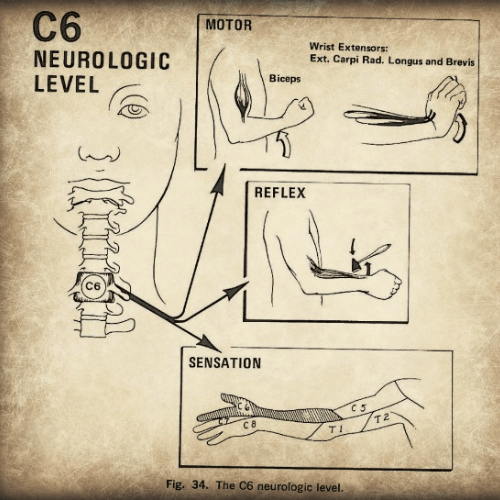
Symptoms may travel into the shoulder, upper arm, forearm, hand, or fingers depending on the affected nerve root. The C6, C7, and C8 nerve roots are among the most commonly involved and frequently produce numbness or tingling into the thumb, middle finger, ring finger, or little finger.
Arm or Hand Weakness
Compression of a cervical nerve can interfere with communication between the brain and the muscles it controls. As a result, everyday activities such as gripping, lifting, typing, opening jars, or carrying groceries may become increasingly difficult.
How Cervical Radiculopathy Develops
Although trauma can occasionally cause cervical radiculopathy, most cases develop gradually as part of the natural aging process. As spinal discs lose height over time, degenerative disc disease, arthritis, and bone spurs may narrow the openings where spinal nerves exit the spine. A cervical disc herniation can also place direct pressure on a nerve root and trigger symptoms.
Lifestyle factors may contribute as well. Poor posture, repetitive neck movements, prolonged computer work, frequent smartphone use, and repetitive overhead activities can increase stress on the cervical spine and make existing nerve irritation more noticeable.
Treatment for Cervical Radiculopathy
Most people recover without surgery. Conservative treatment is usually recommended first and focuses on reducing pressure on the affected nerve while improving movement and function. Depending on the underlying cause, treatment may include chiropractic care, therapeutic exercise, soft tissue therapy, posture education, rehabilitation, and activity modification.
Over-the-counter anti-inflammatory medications may provide temporary symptom relief during acute flare-ups, while corticosteroid injections may be appropriate for some individuals. Surgery is generally reserved for patients with progressive neurological weakness, significant loss of function, or persistent symptoms that do not improve after appropriate conservative care.
Can cervical radiculopathy cause severe arm pain?
Yes. Cervical radiculopathy commonly causes sharp, burning, aching, or electric-like pain that travels from the neck into the shoulder, arm, forearm, or hand. Depending on the affected nerve root, arm pain may also occur with numbness, tingling, reduced reflexes, or muscle weakness.
How do you get rid of arm pain from a pinched nerve in the neck?
Treating the underlying nerve compression is the most effective way to relieve symptoms. Conservative care often includes chiropractic treatment, therapeutic exercise, posture correction, rehabilitation, and activity modification to reduce irritation of the affected nerve. Because similar symptoms can also result from shoulder injuries, peripheral nerve disorders, or other medical conditions, a thorough evaluation is important before beginning treatment.
How long does cervical radiculopathy take to heal?
Recovery depends on the severity of nerve irritation and its underlying cause. Many people notice improvement within several weeks of conservative care, while others require several months to regain normal function. Following your treatment plan, maintaining good posture, and completing prescribed exercises can support recovery and help reduce the likelihood of future flare-ups.
At Cole Pain Therapy Group, we know that neck pain accompanied by arm pain, numbness, or weakness can make even simple daily activities challenging. Our approach begins with identifying whether your symptoms are coming from the cervical spine or another condition affecting the shoulder, elbow, wrist, or peripheral nerves. Once the source of your symptoms is identified, we create a personalized care plan designed to improve spinal mobility, reduce stress on the affected nerve, restore strength and movement, and help you return to work, recreation, and everyday activities with greater comfort and confidence.
Related Reads
NEW PATIENTS
Step 1
Call today to schedule your convenient appointment.
Step 2
Pre-register your important health information on your phone or computer to save time.
Step 3
Meet your new doctor for a customized plan and start moving toward your goal!
Discover how we may help!
We are the Memphis area’s top-rated chiropractic group, providing you with gentle chiropractic care, dry needle therapy, exercise therapy, and therapeutic massage.

2845 Summer Oaks Dr, Memphis, TN 38134
(901) 377-2340
Life Shouldn't Hurt!
You Deserve To Feel Great. We Can Help!
Your go-to Chiropractor in Memphis, TN

Richard L. Cole, DC, DACNB, DAIPM, FIACN, FICC
Jeffrey D. Luebbe, DC, CCRD, CCSP
W. Steven Vollmer, DC, DAAPM
Bradford J. Cole, DC, MS, CSCS
J. Colby Poston, DC
Daniel H. Smith, DC
2845 Summer Oaks Dr., Memphis, TN 38134
(901) 377-2340
Monday – Friday:
8:00 AM – 6:00 PM
Saturday :
8:00 AM – 12:00 PM
Walk-ins are Welcome!
© 2025 Cole Pain Therapy Group, All Rights Reserved