Ruptured Disc: The Best Treatment for Pain Relief and Recovery
Hearing that you have a ruptured disc can be alarming, but the diagnosis does not automatically mean you’ll need surgery. A ruptured disc—also known as a herniated disc or slipped disc—occurs when the soft, gel-like center of a spinal disc breaks through its outer layer. If the displaced disc material irritates a nearby spinal nerve, it can lead to back or neck pain, numbness, tingling, muscle weakness, or pain that travels into the arm or leg, depending on the location of the injury.
Many people assume a ruptured disc only occurs after a serious accident, but that’s not always the case. While heavy lifting, falls, and sudden twisting injuries can contribute to a disc rupture, everyday movements such as bending over, reaching, coughing, or simply standing up may trigger symptoms when the disc has already been weakened by age-related degeneration, repetitive stress, or years of normal wear and tear.
Although the pain can be intense, the outlook is often positive. Clinical evidence shows that many ruptured discs improve with conservative care as inflammation decreases and the irritated nerve begins to recover. Early evaluation is important because symptoms such as progressive muscle weakness, loss of bowel or bladder control, or severe numbness may indicate a medical emergency requiring immediate attention. For most people, however, an individualized treatment plan can relieve pain, improve mobility, and support a safe return to everyday activities without surgery.
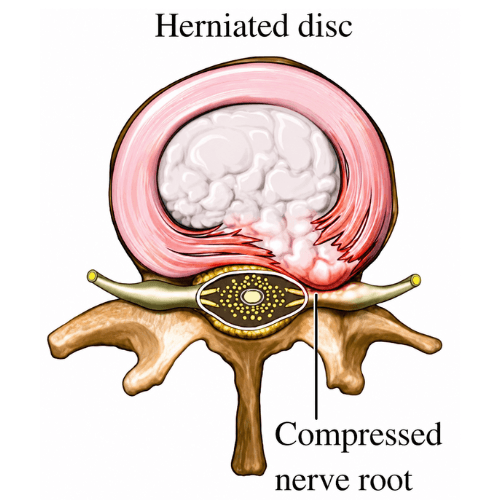
What happens if a disc ruptures?
When a disc ruptures, its inner material extends beyond the disc and may irritate or compress a nearby spinal nerve. This can result in:
- Pain in the neck or lower back
- Pain that radiates into the arm or leg, such as sciatica
- Numbness, tingling, or muscle weakness
Symptoms vary depending on which spinal disc is affected and whether nearby nerves become inflamed or compressed.
Can you fix a ruptured disc?
Yes. Most ruptured discs respond well to conservative treatment and do not require surgery. As inflammation subsides, the body often begins to heal the injured area, and in some cases the herniated disc material gradually shrinks over time. Treatment focuses on relieving pain, restoring movement, improving strength, and helping patients return to normal daily activities as safely as possible.
How long does a ruptured disc take to heal?
Recovery time depends on the size and location of the disc injury, the severity of nerve irritation, and the individual’s overall health. While some people begin noticing improvement within a few weeks, others may require several months of rehabilitation before symptoms fully resolve. Remaining appropriately active and following a structured treatment plan often leads to better outcomes than prolonged bed rest.
Can you live a normal life after a slipped disc?
Absolutely. Many people return to work, exercise, and the activities they enjoy after recovering from a ruptured disc. To help reduce the risk of future flare-ups:
- Stay physically active and follow a regular exercise routine.
- Practice proper lifting techniques and maintain good posture.
- Continue exercises that improve spinal strength and flexibility.
Developing healthy movement habits can play an important role in protecting your spine over the long term.
At Cole Pain Therapy Group, our priority is helping you recover safely while minimizing unnecessary procedures whenever appropriate. After identifying how your ruptured disc is affecting your movement and nerve function, we create a treatment plan tailored to your condition, activity level, and recovery goals. Care may include chiropractic adjustments, therapeutic exercise, rehabilitation, electrical stimulation, and personalized home exercises to improve mobility, reduce pain, and support long-term spinal health. Throughout your recovery, we monitor your progress closely and modify your treatment plan as your condition improves. If your symptoms suggest advanced imaging or consultation with another medical specialist is necessary, we’ll help coordinate the next steps to ensure you receive the most appropriate care.
Related Reads
NEW PATIENTS
Step 1
Call today to schedule your convenient appointment.
Step 2
Pre-register your important health information on your phone or computer to save time.
Step 3
Meet your new doctor for a customized plan and start moving toward your goal!
Discover how we may help!
We are the Memphis area’s top-rated chiropractic group, providing you with gentle chiropractic care, dry needle therapy, exercise therapy, and therapeutic massage.

2845 Summer Oaks Dr, Memphis, TN 38134
(901) 377-2340
Life Shouldn't Hurt!
You Deserve To Feel Great. We Can Help!
Your go-to Chiropractor in Memphis, TN

Richard L. Cole, DC, DACNB, DAIPM, FIACN, FICC
Jeffrey D. Luebbe, DC, CCRD, CCSP
W. Steven Vollmer, DC, DAAPM
Bradford J. Cole, DC, MS, CSCS
J. Colby Poston, DC
Daniel H. Smith, DC
2845 Summer Oaks Dr., Memphis, TN 38134
(901) 377-2340
Monday – Friday:
8:00 AM – 6:00 PM
Saturday :
8:00 AM – 12:00 PM
Walk-ins are Welcome!
© 2025 Cole Pain Therapy Group, All Rights Reserved