How To Overcome Shoulder Anterior Impingement And Relieve Pain
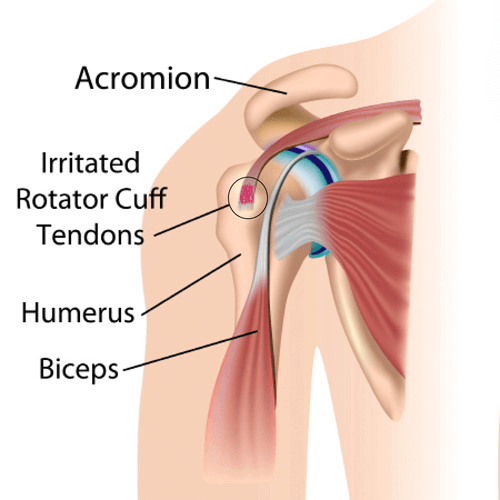
Shoulder anterior impingement occurs when the rotator cuff tendons and surrounding soft tissues become irritated at the front of the shoulder during arm elevation. This irritation typically develops over time due to repetitive use, postural stress, or movement imbalances rather than a single traumatic injury.
Many people first notice pain when lifting overhead, reaching behind the back, exercising, or trying to sleep on the affected side. Without proper care, symptoms often worsen and begin to interfere with daily activities.
At Cole Pain Therapy Group, we help patients across Memphis, Bartlett, Germantown, Collierville, and surrounding communities identify the true cause of shoulder pain and restore healthy movement through conservative, hands on care. When treatment focuses on correcting mechanics and improving load tolerance, most patients improve without injections or surgery.
What Is the Best Treatment for Shoulder Anterior Impingement?
The most effective treatment for shoulder anterior impingement is conservative care that restores proper shoulder mechanics while reducing tissue irritation.
Evidence supported treatment typically focuses on:
Improving shoulder blade control and coordination
Restoring mobility in the shoulder, upper back, and neck
Strengthening the rotator cuff to stabilize the joint
Reducing excessive tension in the chest, shoulder, and upper arm
Modifying activities that repeatedly aggravate the shoulder
Research consistently shows that exercise based rehabilitation combined with hands on therapy produces outcomes equal to or better than surgery for most cases of shoulder impingement. Surgical intervention is usually reserved for advanced cases that fail to improve after a structured course of conservative care.
What Are the Symptoms of Anterior Shoulder Impingement?
Symptoms of anterior shoulder impingement often develop gradually and may worsen with continued use.
Common symptoms include:
Pain at the front or outer portion of the shoulder
Sharp discomfort when lifting the arm overhead or reaching behind the body
A painful arc during arm elevation
Weakness with lifting, pushing, or rotating the arm
Night pain that disrupts sleep, especially when lying on the affected side
A dull ache that may become constant if untreated
Symptoms may begin only during activity but can progress to pain at rest if the underlying movement issue is not addressed.
What Causes Shoulder Impingement Syndrome?
Shoulder impingement syndrome is most often caused by altered movement patterns, not structural damage alone.
Common contributing factors include:
Poor scapular control or shoulder blade dyskinesis
Weakness or delayed activation of the rotator cuff
Tightness in the chest muscles or posterior shoulder capsule
Forward head posture and rounded shoulders
Repetitive overhead activity at work or in sports
Reduced mobility in the cervical or thoracic spine
When the shoulder does not move efficiently, the rotator cuff tendons are repeatedly compressed during arm elevation, leading to irritation, inflammation, and pain over time.
How Serious Is Shoulder Anterior Impingement?
Shoulder anterior impingement is rarely dangerous, but ignoring symptoms can allow the condition to progress.
Without proper treatment, prolonged impingement may increase the risk of:
Chronic rotator cuff tendinopathy
Partial or full thickness rotator cuff tears
Persistent weakness and loss of shoulder mobility
Ongoing sleep disturbance and reduced daily function
When addressed early, shoulder impingement responds very well to conservative care, and long term outcomes are generally excellent.
At Cole Pain Therapy Group, care for shoulder anterior impingement focuses on identifying the specific movement faults contributing to pain rather than simply treating symptoms.
Treatment plans may include:
Manual therapy to improve joint and soft tissue mobility
Targeted strengthening of the rotator cuff and scapular muscles
Postural and movement retraining
Gradual return to lifting, work tasks, and sport specific activity
Education to prevent recurrence and build long term resilience
Patients throughout Memphis, Bartlett, Germantown, Collierville, and nearby areas choose our clinic for individualized, evidence based care that helps them return to daily activities, work, and sport with confidence.
Related Reads
NEW PATIENTS
Step 1
Call today to schedule your convenient appointment.
Step 2
Pre-register your important health information on your phone or computer to save time.
Step 3
Meet your new doctor for a customized plan and start moving toward your goal!
Discover how we may help!
We are the Memphis area’s top-rated chiropractic group, providing you with gentle chiropractic care, dry needle therapy, exercise therapy, and therapeutic massage.

2845 Summer Oaks Dr, Memphis, TN 38134
(901) 377-2340
Life Shouldn't Hurt!
You Deserve To Feel Great. We Can Help!
Your go-to Chiropractor in Memphis, TN

Richard L. Cole, DC, DACNB, DAIPM, FIACN, FICC
Jeffrey D. Luebbe, DC, CCRD, CCSP
W. Steven Vollmer, DC, DAAPM
Bradford J. Cole, DC, MS, CSCS
J. Colby Poston, DC
Daniel H. Smith, DC
2845 Summer Oaks Dr., Memphis, TN 38134
(901) 377-2340
Monday – Friday:
8:00 AM – 6:00 PM
Saturday :
8:00 AM – 12:00 PM
Walk-ins are Welcome!
© 2025 Cole Pain Therapy Group, All Rights Reserved