How To Heal A UCL Sprain And Restore Elbow Function
A UCL sprain affects the ulnar collateral ligament on the inner (medial) side of the elbow. This ligament plays a critical role in stabilizing the elbow during gripping, lifting, throwing, and weight-bearing activities through the arm. When the UCL becomes overstressed or injured, pain, weakness, and instability can interfere with daily tasks, work duties, and athletic performance.
UCL sprains are commonly associated with throwing sports, repetitive elbow stress, or sudden valgus force at the elbow, but they can also occur during lifting, falls, or activities that overload the inner elbow. If not addressed properly, symptoms may persist or progress.
At Cole Pain Therapy Group, UCL sprains are evaluated with a focus on identifying the specific tissue involved, understanding movement demands across the arm, and restoring elbow stability through a structured and individualized care plan.
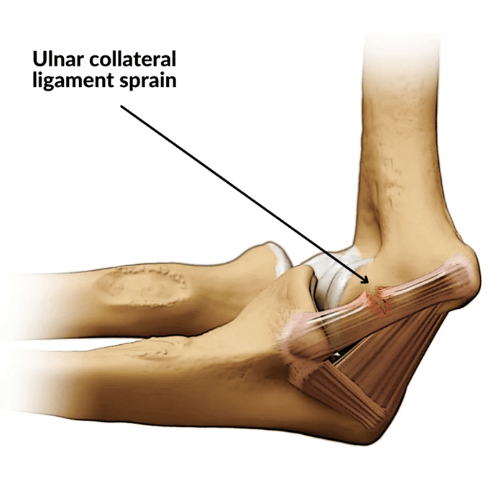
How do you Treat a UCL Ulnar Collateral Ligament Injury?
Treatment for a UCL sprain depends on the severity of the ligament injury, activity level, and whether true instability is present.
Conservative care is often the first line of treatment and may include:
Temporary activity modification to reduce valgus stress on the elbow
Targeted rehabilitation to improve forearm, wrist, and shoulder strength
Manual therapy to reduce stress on the medial elbow structures
Progressive loading to help the ligament tolerate daily and sport-specific demands
In some cases, focused shockwave therapy may be used to stimulate tissue healing and support ligament recovery as part of a broader rehabilitation plan. This approach is typically combined with movement-based therapy rather than used as a standalone treatment.
How Serious is an UCL Sprain?
The seriousness of a UCL sprain varies depending on the extent of ligament damage and functional stability.
Mild sprains may cause soreness or stiffness without true instability
Moderate sprains often involve partial tearing with pain during gripping, lifting, or throwing
Severe sprains may involve significant tearing and noticeable elbow instability
Not all UCL sprains require surgery. Many individuals recover successfully with structured conservative care when the injury is identified early and managed appropriately.
How to Tell if UCL is Sprained?
Common signs and symptoms of a UCL sprain include:
Pain or tenderness along the inner elbow
Discomfort during throwing, pushing, lifting, or gripping
A feeling of looseness, weakness, or instability at the elbow
Decreased strength or confidence using the arm
A clinical evaluation is essential to differentiate a UCL sprain from other causes of medial elbow pain such as flexor tendon strain, ulnar nerve irritation, or joint irritation. At Cole Pain Therapy Group, assessment focuses on ligament stress testing, movement patterns, and contributing factors throughout the elbow, shoulder, and wrist.
Can an UCL Sprain Heal Without Surgery?
Yes, many UCL sprains heal without surgery, especially low-grade and partial ligament injuries.
Healing without surgery is more likely when:
Elbow stability is preserved
Pain improves with appropriate loading and rehabilitation
A progressive, structured care plan is followed
Contributing movement and workload issues are addressed
Surgery is typically considered only when significant instability persists or when high-level throwing athletes fail to respond to comprehensive conservative care.
At Cole Pain Therapy Group, UCL sprain care begins with identifying exactly which structures are involved and why the ligament became overloaded. Treatment focuses on restoring elbow stability while improving how the shoulder, forearm, and wrist work together during movement.
Care may include corrective exercise, manual therapy, and when appropriate, focused shockwave therapy to support tissue healing. The goal is not just pain relief, but restoring confidence and function so the elbow can tolerate real-world demands again.
Patients from Memphis, Bartlett, Lakeland, and Arlington trust Cole Pain Therapy Group for individualized care designed to support long-term recovery and reduce the risk of reinjury.
Related Reads
NEW PATIENTS
Step 1
Call today to schedule your convenient appointment.
Step 2
Pre-register your important health information on your phone or computer to save time.
Step 3
Meet your new doctor for a customized plan and start moving toward your goal!
Discover how we may help!
We are the Memphis area’s top-rated chiropractic group, providing you with gentle chiropractic care, dry needle therapy, exercise therapy, and therapeutic massage.

2845 Summer Oaks Dr, Memphis, TN 38134
(901) 377-2340
Life Shouldn't Hurt!
You Deserve To Feel Great. We Can Help!
Your go-to Chiropractor in Memphis, TN

Richard L. Cole, DC, DACNB, DAIPM, FIACN, FICC
Jeffrey D. Luebbe, DC, CCRD, CCSP
W. Steven Vollmer, DC, DAAPM
Bradford J. Cole, DC, MS, CSCS
J. Colby Poston, DC
Daniel H. Smith, DC
2845 Summer Oaks Dr., Memphis, TN 38134
(901) 377-2340
Monday – Friday:
8:00 AM – 6:00 PM
Saturday :
8:00 AM – 12:00 PM
Walk-ins are Welcome!
© 2025 Cole Pain Therapy Group, All Rights Reserved