Femoroacetabular Impingement (FAI): What You Need To Know For A Faster Recovery
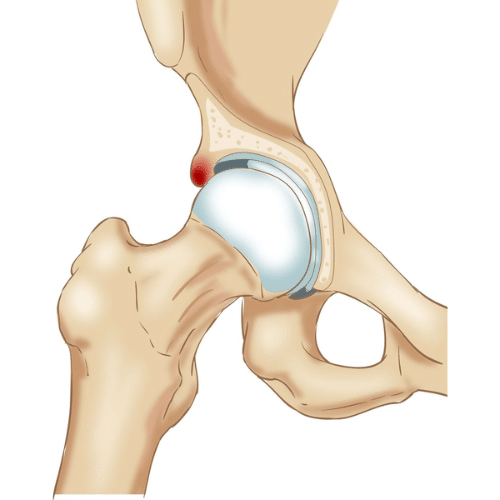
Femoroacetabular impingement (FAI) happens when the bones of your hip joint don’t fit together properly. The femoral head (ball) and the acetabulum (socket) rub against each other during certain movements, causing friction. Over time, this friction can damage the cartilage and the labrum (the cushion that keeps your hip joint stable). FAI is often responsible for hip pain, especially in people under 50, and can sometimes lead to early osteoarthritis.
There are three main types of FAI:
Cam impingement: The femoral head is abnormally shaped, causing it to rub against the acetabulum. This is more common in men, typically in their 20s and 30s.
Pincer impingement: This happens when there’s too much cartilage on the acetabulum, which pinches the femoral head. Pincer impingement is more common in women, especially those in their 30s.
Combined impingement: This is a mix of both cam and pincer types, and it is the most common form of FAI.
What Causes FAI?
FAI can develop due to genetic factors or from repetitive movements that put stress on the hip. Sports that involve a lot of hip rotation, such as soccer, hockey, or crossfit performance, can increase your risk. People who perform repetitive motions like squatting, stair climbing, or even certain fitness and function activities may also be more prone to developing FAI.
Common Symptoms
The most common symptom of FAI is hip pain, usually located in the groin area. It often gets worse with specific activities like sitting for long periods, climbing stairs, or exercises that involve bending or rotating the hip, such as squatting. Other signs to look out for include:
Limited range of motion in the hip
A feeling of clicking or catching in the joint
Pain radiating to the thigh or around the hip
Difficulty with activities like putting on shoes, getting in and out of cars, or participating in sports
If you are experiencing these symptoms, don’t ignore them! Early intervention is key to preventing further damage to the joint.
Diagnosis
To diagnose FAI, your healthcare provider will typically ask about your symptoms and may perform physical tests like the FADIR test (flexion, adduction, and internal rotation), which is often positive in cam-type impingement. Imaging like X-rays and MRIs are used to look at the shape of the bones in your hip joint and check for any damage. Sometimes, MRI with contrast (arthrography) is used to get a detailed view of the soft tissues around the hip, such as the labrum.
Treatment Options for FAI
The goal of FAI treatment is to reduce pain, prevent further damage, and restore mobility. There are two main treatment approaches: conservative (non-surgical) and surgical.
Conservative Treatments
Many patients with FAI experience relief with conservative care, which may include:
Physical therapy to strengthen the core and hip muscles, improve hip dysfunction, and restore joint mobility
Activity modification, such as avoiding movements that involve deep hip flexion or internal rotation (like squatting)
Manual therapy to improve hip flexibility and reduce pain
Bracing or using supports like the Donjoy S.E.R.F. brace, which helps stabilize the hip and limit harmful movements
Pain management with anti-inflammatory medications (NSAIDs) and sometimes corticosteroid injections
Surgical Treatment
If conservative treatments don’t work, surgery may be necessary. The surgical goal is to reshape the hip joint to prevent further friction and restore its normal function. Surgery is usually performed using arthroscopy (a minimally invasive procedure), where the surgeon removes or reshapes the bone or cartilage to reduce impingement. If the labrum is damaged, it may be repaired or removed.
Rehabilitation & Recovery
After surgery, physical therapy is essential to regain strength, mobility, and function. The rehab process typically includes:
Mobility exercises to improve the range of motion and reduce stiffness
Strengthening exercises for the hip muscles, particularly the gluteus medius and core, which are crucial for stabilizing the hip
Proprioceptive training to improve balance and coordination, helping you stay injury-free
Return to Activity
It’s important to follow your healthcare provider’s recommendations before returning to activities that stress the hip joint. After surgery, recovery can take several months, and returning to sports like golf or crossfit performance should be done gradually.
Preventing FAI in the Future
Once you have recovered from FAI, it’s important to maintain good hip health to avoid future problems. This includes:
Maintaining core strength and flexibility to support the hip joint
Regular movement screens to assess posture and prevent overuse injuries
Paying attention to sleep posture to prevent neck adjustments or cervical radiculopathy that may affect overall body alignment
Avoiding excessive pro-inflammatory foods that may contribute to joint pain
Femoroacetabular impingement is a common cause of hip pain, but with the right treatment plan, you can experience relief and prevent further damage to the hip joint. Whether through physical therapy, lifestyle adjustments, or surgery, getting the right care will help you return to the activities you love, while minimizing the risk of future injury. If you think you may have FAI, reach out to a healthcare provider today for a thorough evaluation and treatment plan.
NEW PATIENTS
Step 1
Call today to schedule your convenient appointment.
Step 2
Pre-register your important health information on your phone or computer to save time.
Step 3
Meet your new doctor for a customized plan and start moving toward your goal!
Discover how we may help!
We are the Memphis area’s top-rated chiropractic group, providing you with gentle chiropractic care, dry needle therapy, exercise therapy, and therapeutic massage.

2845 Summer Oaks Dr, Memphis, TN 38134
(901) 377-2340
Life Shouldn't Hurt!
You Deserve To Feel Great. We Can Help!
Your go-to Chiropractor in Memphis, TN

Richard L. Cole, DC, DACNB, DAIPM, FIACN, FICC
Jeffrey D. Luebbe, DC, CCRD, CCSP
W. Steven Vollmer, DC, DAAPM
Bradford J. Cole, DC, MS, CSCS
J. Colby Poston, DC
Daniel H. Smith, DC
2845 Summer Oaks Dr., Memphis, TN 38134
(901) 377-2340
Monday – Friday:
8:00 AM – 6:00 PM
Saturday :
8:00 AM – 12:00 PM
Walk-ins are Welcome!
© 2025 Cole Pain Therapy Group, All Rights Reserved