If you are experiencing symptoms related to hip abductor weakness, it’s essential to consult a healthcare provider or referring physician to determine the best course of action for recovery.
Everything You Need to Know About Hip Abductor Weakness and Its Impact on Movement
Hip abductor weakness is a commonly overlooked condition that can significantly impact your movement and overall mobility. The hip abductors, primarily the gluteus medius and minimus, play a crucial role in stabilizing the pelvis and ensuring proper lower body function. Weakness in these muscles can lead to a variety of issues, affecting everything from walking to running and even sitting.
Causes of Hip Abductor Weakness
Hip abductor weakness can be caused by a range of factors, including poor posture, muscle imbalances, or previous injuries. Conditions like iliotibial band syndrome (ITBS) and patellofemoral pain syndrome often stem from or are exacerbated by weak hip abductors. In addition, leg length discrepancy can also contribute to muscle weakness, as the body compensates for the imbalance in the legs.
Impact on Movement
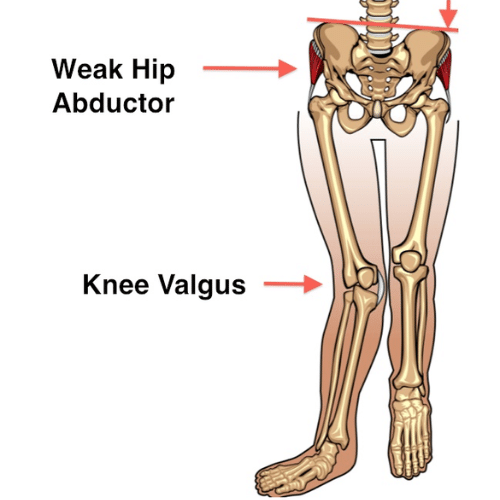
When the hip abductors are weak, the body struggles to maintain proper alignment during single-leg stance activities. This can lead to a Trendelenburg gait, where the pelvis drops on the opposite side of the weak leg. The resulting biomechanical issues can cause femoroacetabular impingement (FAI), excessive knee valgus, and even lower back pain.
The lack of stability in the hip can also affect other regions of the body. For example, excessive internal rotation of the femur due to hip abductor weakness can place strain on the knee joint and contribute to conditions like ACL injury and medial tibial stress syndrome (shin splints).
Common Symptoms
Hip abductor weakness often manifests as pain or discomfort in the hip, knee, or lower back. It can also cause restless leg syndrome due to the increased strain on the lower limbs. Common symptoms include:
Pain during prolonged sitting or standing
Difficulty with single-leg exercises, like squats or lunges
A noticeable limp or altered gait
Increased tension or pain in the iliotibial band or thigh muscles
Diagnosis and Evaluation
Assessing hip abductor weakness typically involves clinical tests like the Trendelenburg test, which measures pelvic drop during a single-leg stance. A hand-held dynamometer may also be used to measure muscle strength and identify areas of weakness.
Treatment and Recovery
The primary goal of treatment is to strengthen the hip abductors. This can be done through targeted exercises like side planks, clamshells, and single-leg squats. It’s also essential to address any contributing factors, such as foot hyperpronation or pelvic instability.
In some cases, orthotics may be recommended to help correct foot alignment and support proper movement patterns. Stretching and myofascial release techniques may also be helpful to alleviate tightness in the associated muscles, including the hip flexors and tensor fascia latae (TFL).
Preventing Future Injuries
To prevent future injuries, individuals should focus on improving core stability, as weak abdominals often accompany weak hip abductors. Regular strength training and posture correction can help to stabilize the pelvis and improve overall function. Athletes, especially those engaged in activities like pickleball or running, should take extra care to incorporate strength exercises into their routine to reduce the risk of overuse injuries.
NEW PATIENTS
Step 1
Call today to schedule your convenient appointment.
Step 2
Pre-register your important health information on your phone or computer to save time.
Step 3
Meet your new doctor for a customized plan and start moving toward your goal!
Discover how we may help!
We are the Memphis area’s top-rated chiropractic group, providing you with gentle chiropractic care, dry needle therapy, exercise therapy, and therapeutic massage.

2845 Summer Oaks Dr, Memphis, TN 38134
(901) 377-2340
Life Shouldn't Hurt!
You Deserve To Feel Great. We Can Help!
Your go-to Chiropractor in Memphis, TN

Richard L. Cole, DC, DACNB, DAIPM, FIACN, FICC
Jeffrey D. Luebbe, DC, CCRD, CCSP
W. Steven Vollmer, DC, DAAPM
Bradford J. Cole, DC, MS, CSCS
J. Colby Poston, DC
Daniel H. Smith, DC
2845 Summer Oaks Dr., Memphis, TN 38134
(901) 377-2340
Monday – Friday:
8:00 AM – 6:00 PM
Saturday :
8:00 AM – 12:00 PM
Walk-ins are Welcome!
© 2025 Cole Pain Therapy Group, All Rights Reserved