How to Overcome Pelvic Floor Dysfunction and Regain Your Confidence
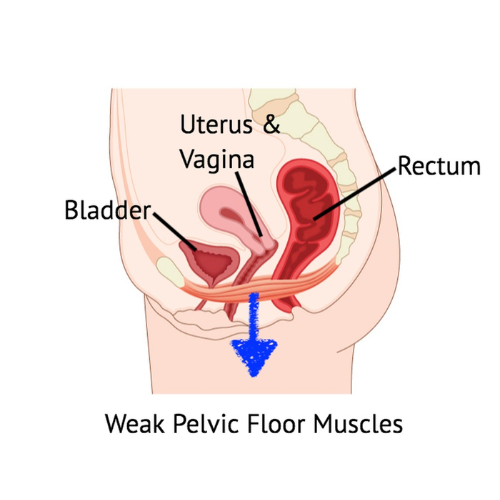
The pelvic floor is a group of muscles, ligaments, and connective tissues at the base of your pelvis. These muscles support your bladder, bowel, and reproductive organs, and they help control urination, bowel movements, and sexual function. When they aren’t working properly—a condition called pelvic floor dysfunction—you may experience symptoms that affect your daily life, comfort, and confidence.
What Is Pelvic Floor Dysfunction?
Pelvic floor dysfunction occurs when these muscles are too weak, too tight, or uncoordinated. Like other muscles in the body, they need both strength and flexibility to function well. Dysfunction can happen for many reasons, including childbirth, surgery, injury, postural habits, or certain medical conditions.
While women experience it more often, men can also develop pelvic floor issues. For men, symptoms might include pelvic pain, urinary changes, or sexual dysfunction.
Common Symptoms
Pelvic floor dysfunction can look different from person to person, but common symptoms include:
Pelvic or lower back pain
Urinary urgency, leakage, or difficulty starting urination
Constipation or accidental leakage of stool or gas
A feeling of heaviness or bulging in the pelvic area (possible prolapse)
Pain or discomfort during sexual activity
Chronic bloating or abdominal pressure
These symptoms may worsen with prolonged sitting, heavy lifting, coughing, or high-impact sports like Pickleball or running.
Causes and Risk Factors
A variety of factors can lead to pelvic floor dysfunction, including:
Vaginal childbirth, especially with prolonged pushing or tearing
Pelvic surgery or injury
High-impact exercise or heavy weightlifting
Poor posture or dysfunctional breathing patterns
Chronic constipation or straining
Obesity
Hormonal changes, such as menopause
Physical or emotional trauma
Some people also have underlying conditions—such as hip or spine issues—that can contribute to pelvic muscle imbalance. In certain cases, these may overlap with problems like thoracic segmental joint dysfunction or postural strain.
Types of Pelvic Floor Dysfunction
Hypotonicity (Weakness) – Muscles lack enough strength or endurance to support organs and control bodily functions. This can lead to urinary leakage, prolapse, or loss of bowel control.
Hypertonicity (Tightness) – Muscles are too tense, which may cause pain, urgency, and difficulty with bladder or bowel emptying.
Coordination Issues – The muscles fail to relax or contract at the right times, affecting bladder, bowel, and sexual function.
Assessment and Diagnosis
A comprehensive evaluation may include:
Medical and symptom history, including childbirth and surgical background
External assessment for muscle tone and trigger points
Screening for posture, hip strength, and breathing mechanics
Referral to a pelvic floor physical therapist for internal assessment when needed
Specialized tools such as ultrasound or biofeedback may be used to measure muscle activity and guide treatment.
Management Strategies
Treatment depends on whether the muscles are weak, tight, or uncoordinated.
For Weak Pelvic Floor Muscles:
Kegel exercises (when appropriate and performed correctly)
Core stability and coordination training
Biofeedback to ensure proper technique
For Tight Pelvic Floor Muscles:
Gentle stretching and myofascial release
Breathing exercises to promote muscle relaxation
Soft tissue techniques for surrounding muscles such as the hips, glutes, and lower back
For All Patients:
Posture education and ergonomic adjustments
Guidance on bladder and bowel habits
Activity modification and gradual return to exercise
Lifestyle changes, including diet and hydration habits
Low-impact activities like yoga or Pilates can also complement rehabilitation, especially when guided by a knowledgeable provider.
Pelvic floor dysfunction is common—affecting millions worldwide—but it’s also manageable. By understanding your symptoms, addressing contributing factors, and following a personalized plan, many people see significant improvements in comfort, function, and quality of life.
NEW PATIENTS
Step 1
Call today to schedule your convenient appointment.
Step 2
Pre-register your important health information on your phone or computer to save time.
Step 3
Meet your new doctor for a customized plan and start moving toward your goal!
Discover how we may help!
We are the Memphis area’s top-rated chiropractic group, providing you with gentle chiropractic care, dry needle therapy, exercise therapy, and therapeutic massage.

2845 Summer Oaks Dr, Memphis, TN 38134
(901) 377-2340
Life Shouldn't Hurt!
You Deserve To Feel Great. We Can Help!
Your go-to Chiropractor in Memphis, TN

Richard L. Cole, DC, DACNB, DAIPM, FIACN, FICC
Jeffrey D. Luebbe, DC, CCRD, CCSP
W. Steven Vollmer, DC, DAAPM
Bradford J. Cole, DC, MS, CSCS
J. Colby Poston, DC
Daniel H. Smith, DC
2845 Summer Oaks Dr., Memphis, TN 38134
(901) 377-2340
Monday – Friday:
8:00 AM – 6:00 PM
Saturday :
8:00 AM – 12:00 PM
Walk-ins are Welcome!
© 2025 Cole Pain Therapy Group, All Rights Reserved