How To Manage Posterior Shoulder Instability And Prevent Recurrence
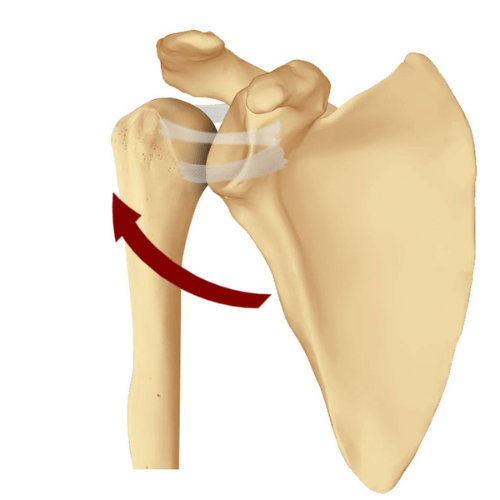
Posterior shoulder instability occurs when the head of the upper arm bone (humerus) shifts backward within the shoulder socket. Unlike traumatic dislocations, this condition is often subtle, frequently overlooked, and commonly caused by repetitive stress rather than a single injury. Over time, untreated posterior instability can lead to shoulder pain, weakness, reduced performance, and recurring symptoms that limit daily activities and sports participation.
At Cole Pain Therapy Group, we help patients throughout Memphis, Bartlett, Germantown, Collierville, and surrounding communities identify posterior shoulder instability early and restore shoulder control through movement focused, conservative care designed to reduce pain and prevent recurrence.
What Is Posterior Shoulder Instability?
Posterior shoulder instability refers to excessive backward movement of the humeral head relative to the shoulder socket (glenoid). Unlike anterior instability, which often presents with obvious dislocation, posterior instability is usually the result of repetitive microtrauma and poor load control over time.
This condition commonly develops in individuals who perform repeated shoulder movements involving flexion, adduction, and internal rotation, such as:
Football linemen
Swimmers
Baseball and tennis players
Weightlifters, especially bench press dominant programs
Physically demanding occupations involving pushing or overhead work
Symptoms do not always correlate with the degree of instability. Even mild posterior instability can produce significant pain, hesitation with movement, or a sense that the shoulder feels unreliable.
How Do You Assess Posterior Shoulder Instability?
Assessment begins with a detailed clinical history. Many patients report gradual onset shoulder pain, discomfort with pushing or reaching, weakness, or reduced confidence during upper body movement rather than a single traumatic event.
At Cole Pain Therapy Group, evaluation includes:
Observation of shoulder posture and symmetry
Assessment of scapular control and coordination
Rotator cuff strength and endurance testing
Evaluation of humeral head movement during functional tasks
Provocative testing to assess posterior translation and symptom reproduction
Specific orthopedic tests are used together, not in isolation, to evaluate posterior instability. Because scapular dysfunction is strongly associated with posterior instability, shoulder blade mechanics are a key focus of the examination.
Imaging such as X ray or MRI may be recommended when symptoms follow trauma or when labral injury is suspected, but many cases are diagnosed clinically through movement based assessment.
What Is The Most Common Direction Of Shoulder Instability?
Anterior shoulder instability remains the most common overall, particularly following traumatic dislocation. However, posterior shoulder instability is far more common than previously recognized and is frequently underdiagnosed due to its subtle presentation.
Posterior instability is especially prevalent in athletes and active individuals exposed to repetitive loading rather than acute injury. Functional posterior instability may occur without full dislocation, making movement assessment essential.
Correctly identifying the direction of instability is critical, as rehabilitation strategies differ significantly depending on whether instability is anterior, posterior, or multidirectional.
What Is The Posterior Drawer Test For Shoulder Instability?
The posterior drawer test is a clinical assessment used to evaluate backward translation of the humeral head within the shoulder socket. During the test, the clinician stabilizes the shoulder blade while applying a controlled posterior force to the upper arm.
A positive test may demonstrate:
Excessive posterior translation
Pain reproduction
Apprehension or guarding
The posterior drawer test is one component of a comprehensive assessment and helps determine whether posterior instability is contributing to a patient’s symptoms.
At Cole Pain Therapy Group, posterior shoulder instability is treated by addressing the underlying movement and control deficits rather than masking symptoms. Our approach combines hands on care, targeted exercise, and movement retraining to restore shoulder confidence and durability.
Patients across Memphis, Bartlett, Germantown, Collierville, and surrounding areas choose our clinic for individualized care focused on long term shoulder health, injury prevention, and safe return to activity.
If shoulder pain, weakness, or instability has been limiting your movement, early evaluation and conservative care can make a meaningful difference.
Related Reads
NEW PATIENTS
Step 1
Call today to schedule your convenient appointment.
Step 2
Pre-register your important health information on your phone or computer to save time.
Step 3
Meet your new doctor for a customized plan and start moving toward your goal!
Discover how we may help!
We are the Memphis area’s top-rated chiropractic group, providing you with gentle chiropractic care, dry needle therapy, exercise therapy, and therapeutic massage.

2845 Summer Oaks Dr, Memphis, TN 38134
(901) 377-2340
Life Shouldn't Hurt!
You Deserve To Feel Great. We Can Help!
Your go-to Chiropractor in Memphis, TN

Richard L. Cole, DC, DACNB, DAIPM, FIACN, FICC
Jeffrey D. Luebbe, DC, CCRD, CCSP
W. Steven Vollmer, DC, DAAPM
Bradford J. Cole, DC, MS, CSCS
J. Colby Poston, DC
Daniel H. Smith, DC
2845 Summer Oaks Dr., Memphis, TN 38134
(901) 377-2340
Monday – Friday:
8:00 AM – 6:00 PM
Saturday :
8:00 AM – 12:00 PM
Walk-ins are Welcome!
© 2025 Cole Pain Therapy Group, All Rights Reserved