How to Overcome Spinal Instability and Relieve Back Pain
Living with back pain can make even simple tasks feel overwhelming. One common but often misunderstood cause is spinal instability. When the muscles, ligaments, and joints of the spine can’t work together to keep the back stable, pain and limited movement often follow. The good news is that with the right approach—focused on strengthening, stability, and lifestyle changes—you can reduce pain and regain confidence in your movement.
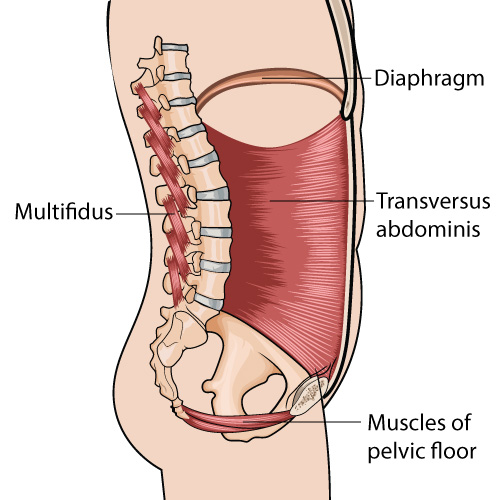
What Is Spinal Instability?
Spinal instability happens when the spine loses its ability to stay centered and supported during everyday movement. Normally, your core muscles, diaphragm, pelvic floor, and back muscles create stability—like a protective “brace” for the spine. When these stabilizers become weak or uncoordinated, the body begins to compensate in unhealthy ways.
Over time, this can place extra strain on surrounding joints and tissues. For example, weakness in spinal stabilizers may lead to related conditions such as Thoracic Segmental Joint Dysfunction, hip weakness, or even shoulder problems like Frozen Shoulder (Adhesive Capsulitis).
Causes of Spinal Instability
Several factors can contribute to spinal instability, including:
Muscle weakness or injury – Weak abdominal or back muscles can no longer protect the spine effectively.
Poor posture or habits – Sitting slouched or repetitive lifting with poor mechanics increases stress on spinal joints.
Previous trauma – Events like Whiplash Neck Injuries or falls can damage supporting structures.
Repetitive strain – Jobs or sports that involve constant bending, twisting, or heavy lifting can accelerate instability.
Underlying conditions – Instability may appear alongside disc injuries, arthritis, or nerve problems.
Symptoms of Spinal Instability
Spinal instability doesn’t look the same in every person, but common symptoms include:
Ongoing or recurring low back pain
A “catching” or “giving way” sensation in the spine
Pain that worsens with standing, sitting too long, or sudden movements
Muscle fatigue and tightness around the low back or hips
Difficulty keeping upright posture or needing to brace with the arms to rise from sitting
In some cases, instability can also trigger referred discomfort to other areas, such as the hips, groin, or legs. Conditions like Leg Length Discrepancy or Iliotibial Band Syndrome can further complicate symptoms if left unaddressed.
How Is Spinal Instability Diagnosed?
Your provider may use a combination of movement tests and clinical evaluation to identify instability. Common assessments include:
Forward bending and returning to upright – Looking for signs of catching or loss of control.
Leg raise tests – Checking if pain or weakness appears when lifting the legs.
Bracing maneuvers – Noting whether pain improves when you tighten your core muscles.
Breathing observation – Since dysfunctional breathing patterns can reduce spinal support, your diaphragm’s role is often evaluated.
Imaging, such as X-rays or MRI, may be used if other conditions need to be ruled out.
Treatment Options for Spinal Instability
The goal of treatment is to restore spinal strength, coordination, and confidence in movement.
1. Exercise and Rehabilitation
Core stabilization exercises – Bird dog, dead bug, side bridge, and planks help retrain spinal support.
Diaphragmatic breathing – Proper breathing reinforces the spine’s natural stability system.
Targeted strengthening – Addressing weak hip abductors or spinal stabilizers reduces strain elsewhere.
2. Lifestyle and Activity Changes
Avoiding repetitive heavy lifting or poor posture habits.
Taking breaks from long periods of sitting or standing.
Using proper form during exercise, sports, or activities like Pickleball to protect the spine.
3. Hands-On Care
Soft tissue work to release tight or overworked muscles.
Chiropractic adjustments or mobilization for restricted spinal segments.
Supportive bracing in certain cases to reduce pain during recovery.
4. Medical Support
Anti-inflammatory strategies or guided injections may provide relief in severe cases.
Surgery is rarely needed but may be considered if conservative care does not help.
Spinal instability can be frustrating, especially when pain limits your ability to move with confidence. But with the right care plan—including core strengthening, breathing retraining, and guided therapy—you can reduce pain, protect your spine, and get back to living without fear of your back “giving out.” If you’re struggling with recurring back pain, talk with your provider about whether instability could be a factor and how to begin a personalized treatment program.
NEW PATIENTS
Step 1
Call today to schedule your convenient appointment.
Step 2
Pre-register your important health information on your phone or computer to save time.
Step 3
Meet your new doctor for a customized plan and start moving toward your goal!
Discover how we may help!
We are the Memphis area’s top-rated chiropractic group, providing you with gentle chiropractic care, dry needle therapy, exercise therapy, and therapeutic massage.

2845 Summer Oaks Dr, Memphis, TN 38134
(901) 377-2340
Life Shouldn't Hurt!
You Deserve To Feel Great. We Can Help!
Your go-to Chiropractor in Memphis, TN

Richard L. Cole, DC, DACNB, DAIPM, FIACN, FICC
Jeffrey D. Luebbe, DC, CCRD, CCSP
W. Steven Vollmer, DC, DAAPM
Bradford J. Cole, DC, MS, CSCS
J. Colby Poston, DC
Daniel H. Smith, DC
2845 Summer Oaks Dr., Memphis, TN 38134
(901) 377-2340
Monday – Friday:
8:00 AM – 6:00 PM
Saturday :
8:00 AM – 12:00 PM
Walk-ins are Welcome!
© 2025 Cole Pain Therapy Group, All Rights Reserved