Everything You Need To Know About Meniscus Injuries: Causes, Symptoms, And Treatment Options
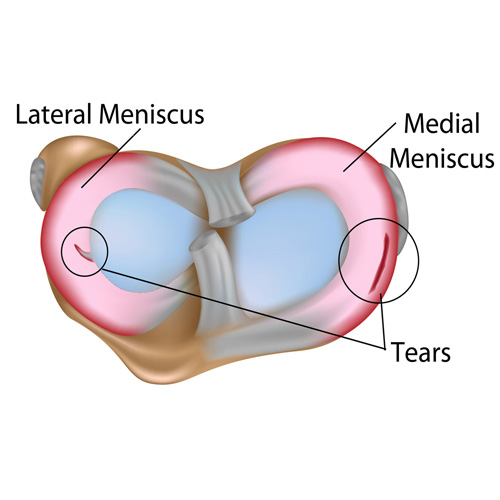
The knee meniscus is a critical part of your knee joint that acts as a cushion, absorbing shock and distributing pressure. There are two menisci in each knee: one on the inner side (medial) and one on the outer side (lateral). These fibrocartilage discs are shaped to fit the contours of the femur (thigh bone) and tibia (shin bone), and they help to stabilize the knee, absorb shock, and maintain proper movement.
When these menisci tear, it can cause pain, instability, and other complications. This type of injury can happen in anyone, but it’s more common in athletes or people who perform repetitive movements, such as those in Pickleball or sports like soccer and basketball. As we age, the menisci can weaken, making it more likely to experience degenerative tears, which are more common in older adults.
What Causes Meniscus Injuries?
Meniscus injuries can occur for two reasons: traumatic or degenerative. Traumatic tears happen when there is sudden force, like twisting or pivoting on the knee, which is common in young athletes. Degenerative tears, on the other hand, develop over time due to wear and tear, and are more common in older individuals or those with a history of knee instability.
Some specific factors that increase the likelihood of a meniscus injury include:
Overuse: Performing repetitive motions, especially under load, can stress the meniscus over time.
Joint instability: Conditions like Leg Length Discrepancy can contribute to abnormal knee stress, increasing risk.
Previous knee injuries: If you’ve had a Whiplash Neck Injury, ACL rupture, or other knee trauma, you might be at higher risk for developing meniscal tears.
Symptoms of a Meniscus Injury
Common signs of a meniscus injury include:
Pain: Especially during deep knee bends or when twisting the knee.
Clicking or Locking: You may hear or feel a click or pop as you move your knee.
Swelling: This may be noticeable soon after the injury or may develop gradually.
Instability: You might feel like your knee is going to give way or buckle, especially when bearing weight.
If you’re experiencing these symptoms, it’s important to consult with a healthcare provider who understands Neurological symptoms related to knee pain, such as numbness or tingling in the leg, which could be related to nerve involvement.
How Is a Meniscus Injury Diagnosed?
Diagnosing a meniscus injury typically involves a physical exam and imaging. Your doctor may perform special tests, such as the Thessaly Test or McMurray’s Test, to evaluate knee movement and pinpoint where the pain is coming from. If further investigation is needed, MRI is the most accurate imaging tool for assessing the extent of the tear.
For some cases, X-rays may be taken to rule out other conditions, such as fractures or osteochondral lesions, especially if you’ve experienced other trauma, such as Syndesmotic Ankle Injury or a Clavicle Fracture.
Treatment Options for Meniscus Injuries
The treatment of a meniscus injury depends on several factors, including your age, activity level, and the extent of the tear. For younger individuals with traumatic tears, surgery might be required, but many older individuals with degenerative tears can benefit from non-surgical treatments.
Conservative Treatment (For Mild to Moderate Tears):
Rest, Ice, Compression, and Elevation (RICE) to reduce swelling and pain.
Physical Therapy to strengthen muscles around the knee, improve stability, and restore movement.
Bracing or Support to stabilize the knee and limit movement that may worsen the injury.
Medications: Over-the-counter NSAIDs can help with inflammation and pain relief.
If you’ve sustained a knee injury, it’s essential to modify your activity to avoid aggravating the injury. For example, temporarily switching to low-impact exercises like stationary cycling or water walking can keep you active while protecting your knee.
Surgical Treatment (For Severe Tears):
For more severe or complicated injuries, surgery might be necessary. Depending on the nature of the tear, the surgeon may:
Meniscectomy: Removal of the damaged portion of the meniscus.
Meniscus Repair: Suturing the torn pieces back together, especially if the tear is in the vascular (outer) portion of the meniscus where healing potential is higher.
Post-Surgery Rehabilitation includes gradual exercises to restore strength and range of motion. Strengthening the quadriceps and hamstrings is critical to prevent further injuries and improve knee function.
Can Chiropractic Care Help with Meniscus Injuries?
Chiropractic care can play a supportive role in managing degenerative meniscus tears, especially for improving joint stability and mobility. Techniques such as spinal manipulation and myofascial release may help relieve the discomfort associated with meniscus injuries, especially when there is Thoracic Segmental Joint Dysfunction or tightness in the hip and lower back muscles.
Recovery & Prevention Tips
After treatment, the following steps can help you manage your recovery and prevent further injury:
Maintain a healthy weight to reduce stress on your knees.
Practice proper posture and lifting techniques to avoid strain on the knees.
Stretching and strengthening the muscles around the knee and hip for added stability.
Orthotics or arch supports may help if you have any Leg Length Discrepancy or foot misalignment that could increase stress on your knee.
For ongoing knee health, regular physical activity, appropriate warm-up exercises, and paying attention to your body’s signals during movement (such as avoiding sudden rotational movements) can go a long way in preventing injuries.
By understanding the types of meniscus injuries and their treatment options, patients can make informed decisions about their care. Whether it’s a traumatic injury from sports or a degenerative tear due to age, there are effective strategies available for managing and recovering from these common knee problems.
NEW PATIENTS
Step 1
Call today to schedule your convenient appointment.
Step 2
Pre-register your important health information on your phone or computer to save time.
Step 3
Meet your new doctor for a customized plan and start moving toward your goal!
Discover how we may help!
We are the Memphis area’s top-rated chiropractic group, providing you with gentle chiropractic care, dry needle therapy, exercise therapy, and therapeutic massage.

2845 Summer Oaks Dr, Memphis, TN 38134
(901) 377-2340
Life Shouldn't Hurt!
You Deserve To Feel Great. We Can Help!
Your go-to Chiropractor in Memphis, TN

Richard L. Cole, DC, DACNB, DAIPM, FIACN, FICC
Jeffrey D. Luebbe, DC, CCRD, CCSP
W. Steven Vollmer, DC, DAAPM
Bradford J. Cole, DC, MS, CSCS
J. Colby Poston, DC
Daniel H. Smith, DC
2845 Summer Oaks Dr., Memphis, TN 38134
(901) 377-2340
Monday – Friday:
8:00 AM – 6:00 PM
Saturday :
8:00 AM – 12:00 PM
Walk-ins are Welcome!
© 2025 Cole Pain Therapy Group, All Rights Reserved