Mild Traumatic Brain Injury (mTBI): What You Need to Know for Better Recovery
Mild traumatic brain injury (mTBI), often referred to as a concussion, is a common but often misunderstood condition. It occurs when the brain is impacted by a physical force, like a blow to the head, and while it may not always cause visible injuries, it disrupts the brain’s normal functioning. mTBI affects millions of people every year, with high rates seen among athletes, soldiers, and those involved in motor vehicle accidents. mTBI can have a significant impact on your daily life, so understanding its causes, symptoms, and the path to recovery is essential.
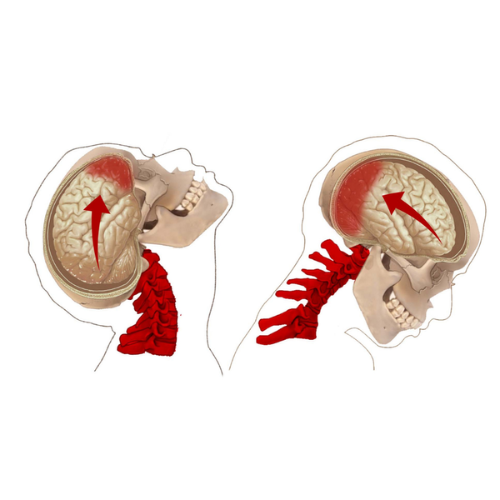
What Happens During mTBI?
When the head sustains a sudden impact, the brain moves rapidly inside the skull, leading to temporary disruption in its normal functions. This mechanical insult causes biochemical changes within the brain cells. The symptoms often reflect a metabolic imbalance rather than physical injury. This is why mTBI can lead to a range of cognitive, physical, and emotional symptoms.
Common Causes and Risk Factors for mTBI
mTBI is typically caused by falls, vehicular accidents, or sports-related incidents. For example, athletes in contact sports like football, hockey, and soccer are at higher risk due to frequent impacts to the head. mTBI also occurs in military personnel exposed to blasts and in people involved in domestic violence.
Other factors that increase risk include pre-existing conditions such as Restless Leg Syndrome, anxiety, and previous concussions. Younger individuals, particularly teenagers, are more likely to experience mTBI and take longer to recover. Whiplash Neck Injuries are another common issue that often accompanies concussions, as the sudden jerking motion can strain the neck muscles.
Signs and Symptoms of mTBI
Symptoms of mTBI vary from person to person but typically include:
Headache: Often the first noticeable sign of mTBI, and it can persist for days or even weeks.
Dizziness and light-headedness.
Cognitive difficulties: Including trouble with memory, concentration, and slower reaction times.
Mood changes: Irritability or emotional swings.
Sleep disturbances: Difficulty sleeping or excessive sleepiness.
Visual disturbances: Blurred vision or sensitivity to light, also known as photophobia.
In some cases, patients experience neck pain or symptoms like tinnitus (ringing in the ears), which can be exacerbated by cervicogenic issues, such as those seen in Frozen Shoulder (Adhesive Capsulitis).
Diagnosis and Evaluation
A detailed clinical evaluation is crucial to diagnose mTBI. Immediate assessment, especially for athletes, involves checking basic functions like consciousness, memory, and the ability to follow commands. The Glasgow Coma Scale is often used to assess the level of consciousness. If a concussion is suspected, a more thorough examination is necessary, including memory tests, balance evaluations, and coordination checks.
For athletes and people involved in physical activities, sideline tests using Standardized Concussion Assessment Tools (SCAT6) help assess cognitive function. Imaging, such as CT scans or MRIs, may be recommended to rule out more severe brain injuries, especially if there is a risk of other issues, such as skull fractures.
The Path to Recovery: Managing mTBI Symptoms
The recovery from mTBI is unique to each person and can take time. Initially, it’s important to rest, avoid physical or cognitive stress, and focus on proper hydration. Following the first 24-48 hours, the patient can slowly begin to engage in light physical activity as tolerated. Activities like walking or stationary cycling are encouraged at low intensity. This gradual approach helps restore normal brain function without overloading it.
Patients with more persistent symptoms can benefit from cognitive behavioral therapy, vestibular rehabilitation, and biofeedback training. Some patients find relief from headaches and visual disturbances with techniques such as repetitive transcranial magnetic stimulation.
When to Seek Additional Help
If symptoms like memory problems, dizziness, or headaches worsen, it’s important to seek further medical care. In rare cases, persistent symptoms can develop into Post-Concussion Syndrome (PCS), affecting one’s ability to return to daily activities or sports. For those dealing with mTBI, it’s crucial to avoid re-injury, as subsequent concussions before the brain heals can lead to irreversible damage, including second impact syndrome.
Chiropractic and Manual Therapies
While traditional rest and medication are often recommended, some patients with mTBI may benefit from chiropractic care to address issues with the cervical spine, which can often be a contributing factor to neck pain or headaches. Spinal manipulation and targeted therapies like myofascial release can sometimes help alleviate these symptoms and improve recovery.
Returning to Activity and Preventing Long-Term Effects
For athletes and physically active individuals, the path to returning to full activity is clear but gradual. It involves meeting specific criteria such as:
No symptoms at rest or with exertion.
Full cognitive function restored.
Successful completion of progressive physical activity tests.
It’s important to note that early return to activity before symptoms fully resolve can increase the risk of further injury. By following a graded return-to-play protocol, athletes can safely resume their activities once they have fully recovered.
Be Proactive About mTBI Recovery
If you or someone you know has experienced a concussion or mild traumatic brain injury, understanding the symptoms, causes, and recovery process is essential. Early intervention, proper rest, and gradual return to normal activities are the key steps in managing mTBI effectively. Additionally, for those at risk of future concussions, strategies such as neck strength training and impact protection should be considered. If symptoms persist or worsen, seeking the guidance of healthcare professionals, including chiropractors, is essential for effective recovery.
NEW PATIENTS
Step 1
Call today to schedule your convenient appointment.
Step 2
Pre-register your important health information on your phone or computer to save time.
Step 3
Meet your new doctor for a customized plan and start moving toward your goal!
Discover how we may help!
We are the Memphis area’s top-rated chiropractic group, providing you with gentle chiropractic care, dry needle therapy, exercise therapy, and therapeutic massage.

2845 Summer Oaks Dr, Memphis, TN 38134
(901) 377-2340
Life Shouldn't Hurt!
You Deserve To Feel Great. We Can Help!
Your go-to Chiropractor in Memphis, TN

Richard L. Cole, DC, DACNB, DAIPM, FIACN, FICC
Jeffrey D. Luebbe, DC, CCRD, CCSP
W. Steven Vollmer, DC, DAAPM
Bradford J. Cole, DC, MS, CSCS
J. Colby Poston, DC
Daniel H. Smith, DC
2845 Summer Oaks Dr., Memphis, TN 38134
(901) 377-2340
Monday – Friday:
8:00 AM – 6:00 PM
Saturday :
8:00 AM – 12:00 PM
Walk-ins are Welcome!
© 2025 Cole Pain Therapy Group, All Rights Reserved